
Using RFID technology to improve manufacturing efficiency
In factories that manufacture air conditioners, raw materials, parts, semi-finished products, and finished products all need to be accurately recorded and managed. In the past, manual operations were not only slow but also prone to errors. An air conditioner manufacturer encountered several problems:
The production process was complex and data records were chaotic
It was difficult to detect unqualified products in time
The return rate was high, affecting customer satisfaction
Material waste and poor inventory management
They needed a more efficient and reliable way to solve these problems.
Solution: Introducing RFID technology
The company decided to use RFID technology to digitize the production process.
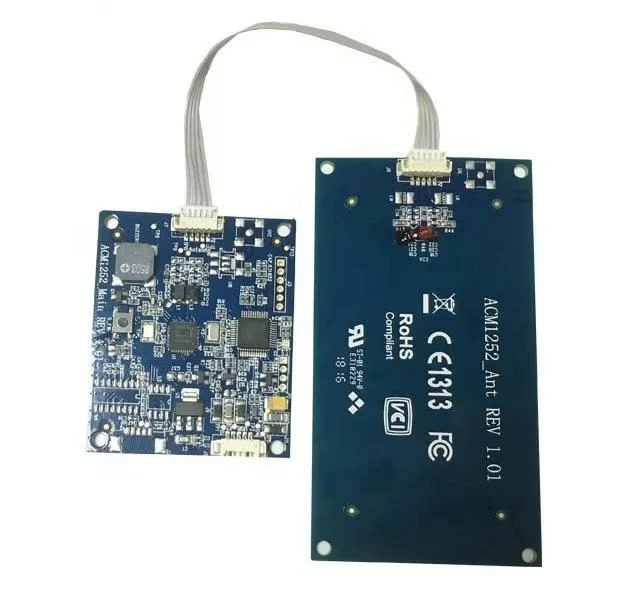
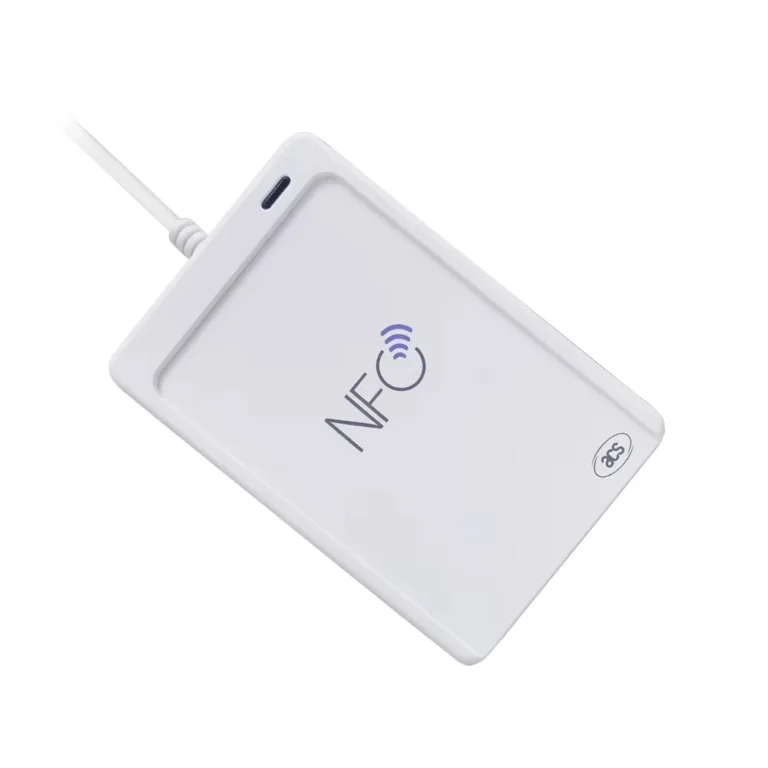
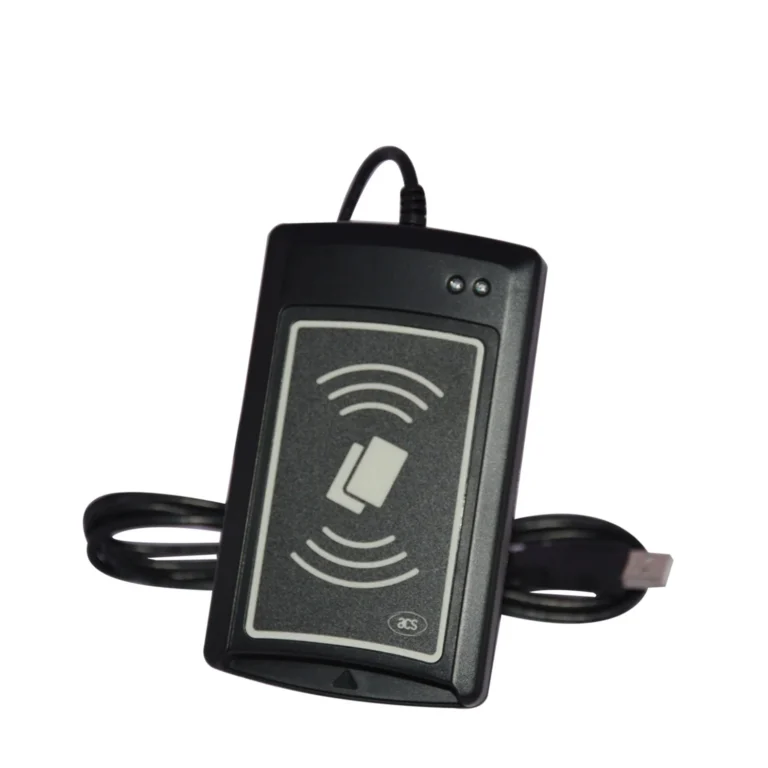
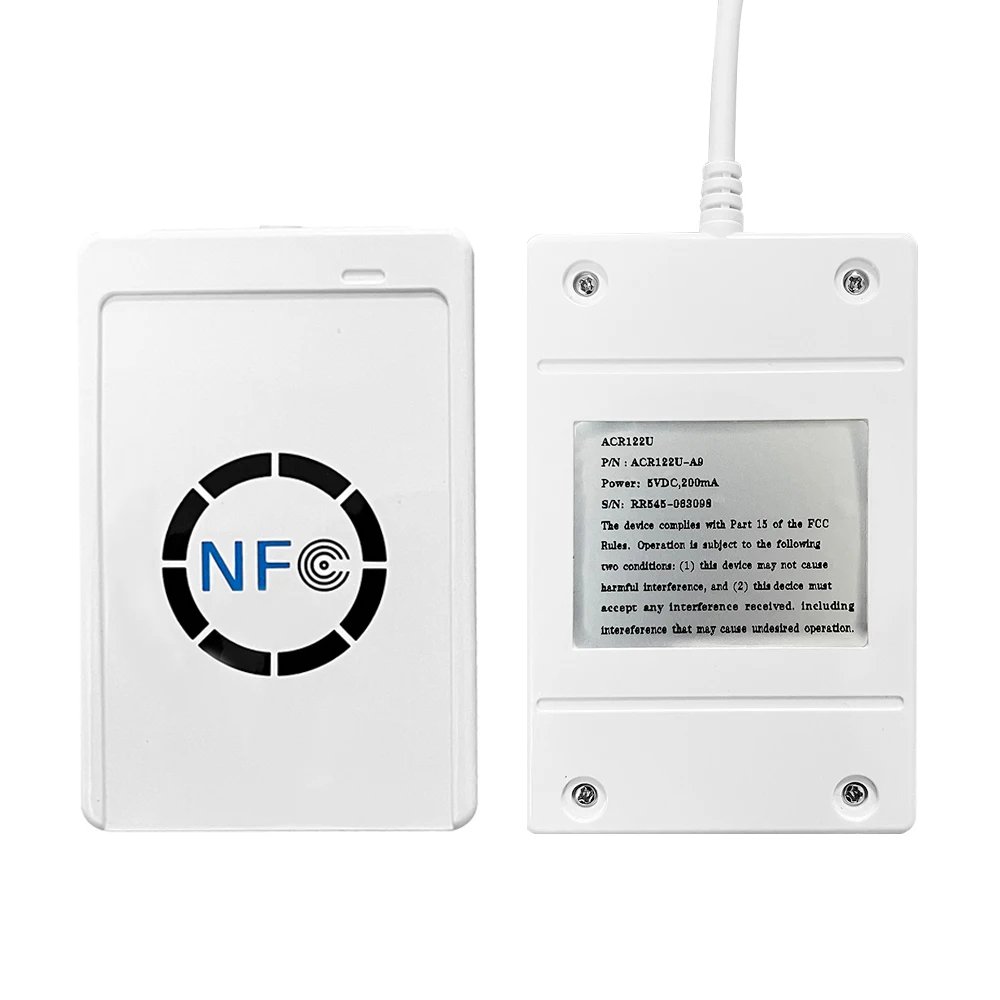
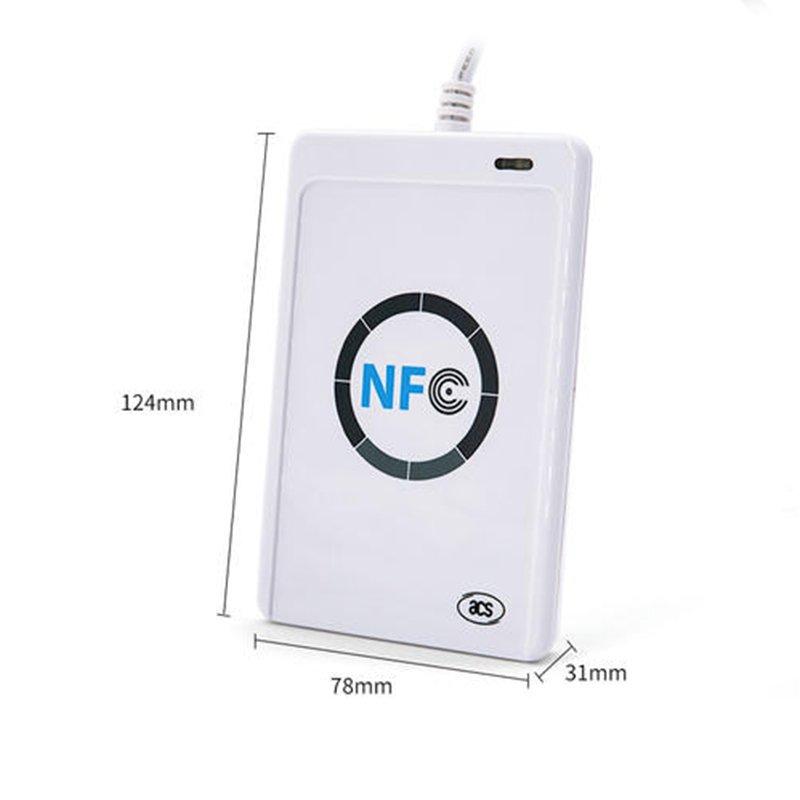
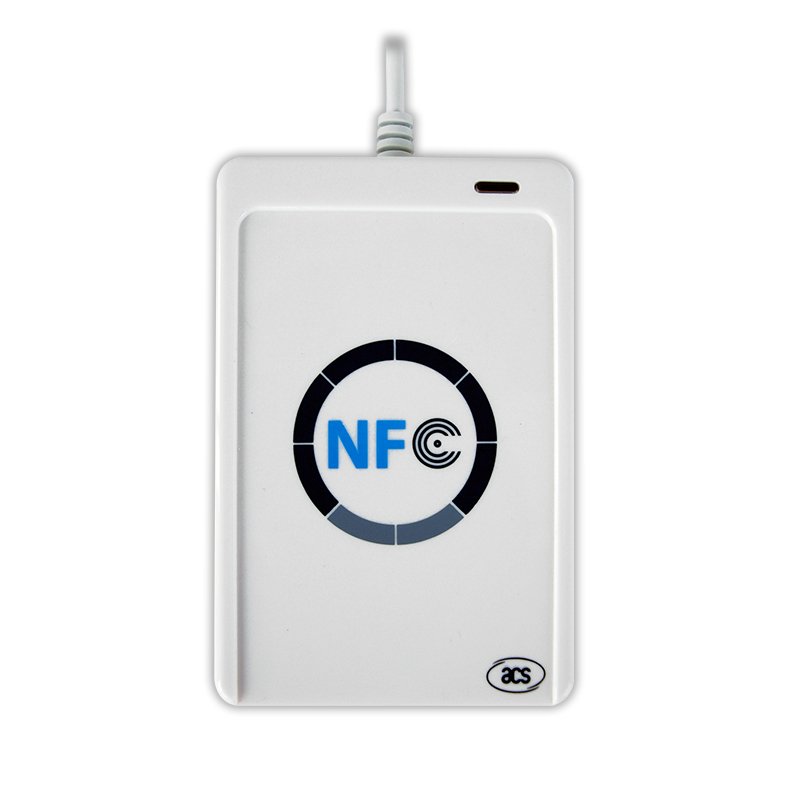
The device used is a lightweight high-frequency RFID reader/writer with the following parameters:
Working frequency: 13.56 MHz
Reading distance: up to 50 mm
Power interface: USB, supports 5V DC power supply
Current: normal 100mA, working 200mA, standby 50mA
Support multiple protocols: ISO14443 A/B, MIFARE, FeliCa, NFC
Accessible systems: Windows, Linux, Android, Mac OS, etc.
Size: 98 mm × 65 mm × 12.8 mm
Weight: 70 g
This device is embedded in the production line to achieve automatic data reading and recording.
Application method
RFID tagging throughout the process
Raw materials, semi-finished products, and finished products are all affixed with RFID tags to record identity information.
Real-time recognition of the reader/writer
The device automatically reads the tag information and uploads the data in real time after connecting to the computer to avoid manual operation errors.
Unified management of the backend system
All read data automatically enters the database for subsequent tracking and analysis.
Application effect
Production efficiency increased by 20%
Real-time tracking speeds up the process and reduces waiting and manual input time.
Return rate decreased by 15%
The system can detect quality problems early and prevent unqualified products from entering the market.
The error rate is significantly reduced
After the production process is automated, the data is accurately recorded, with less manual intervention and a low error rate.
Conclusion
By deploying this type of high-performance RFID reader, the efficiency, accuracy and overall collaboration capabilities of the factory have been significantly improved. Although this type of equipment is small and simple, it is very helpful for the manufacturing process. With the development of RFID technology, more industries will achieve intelligent and automated upgrades through it.