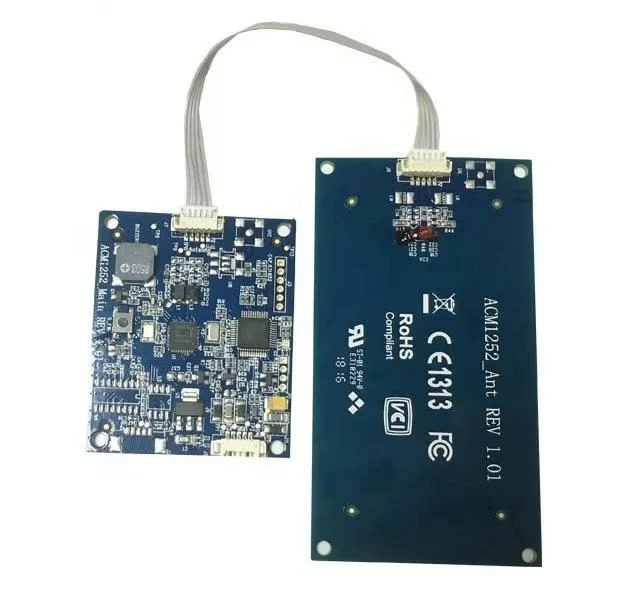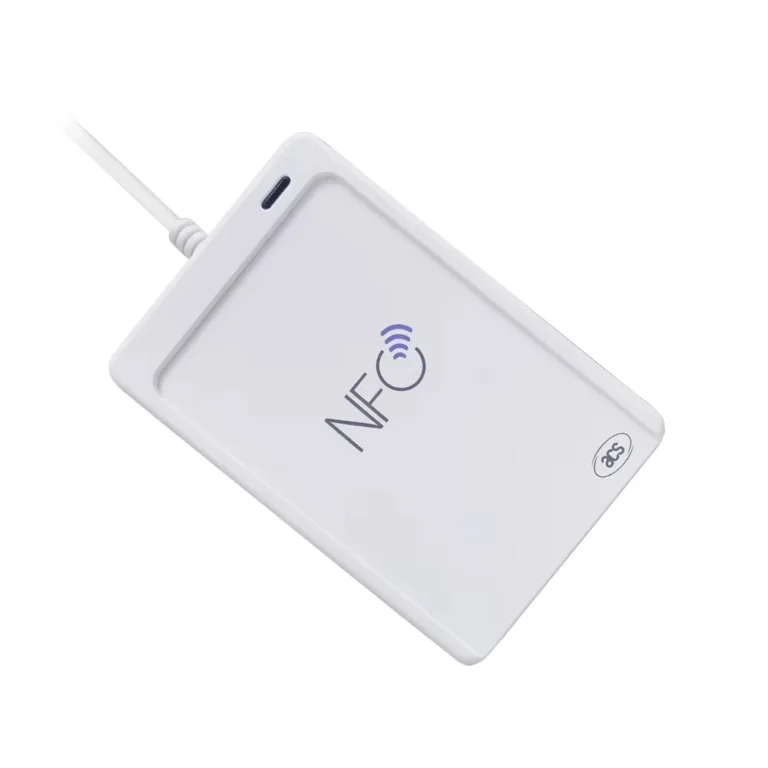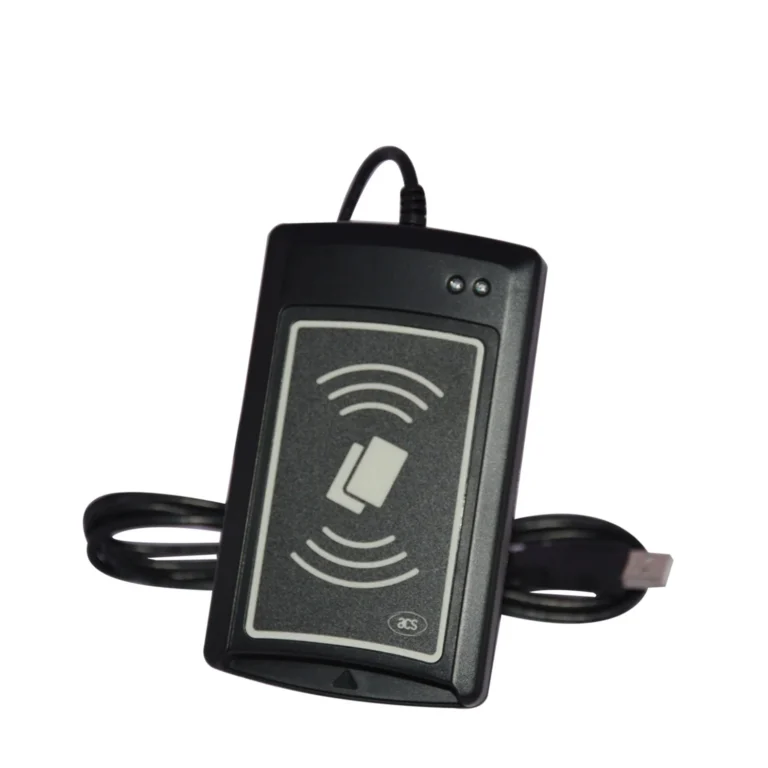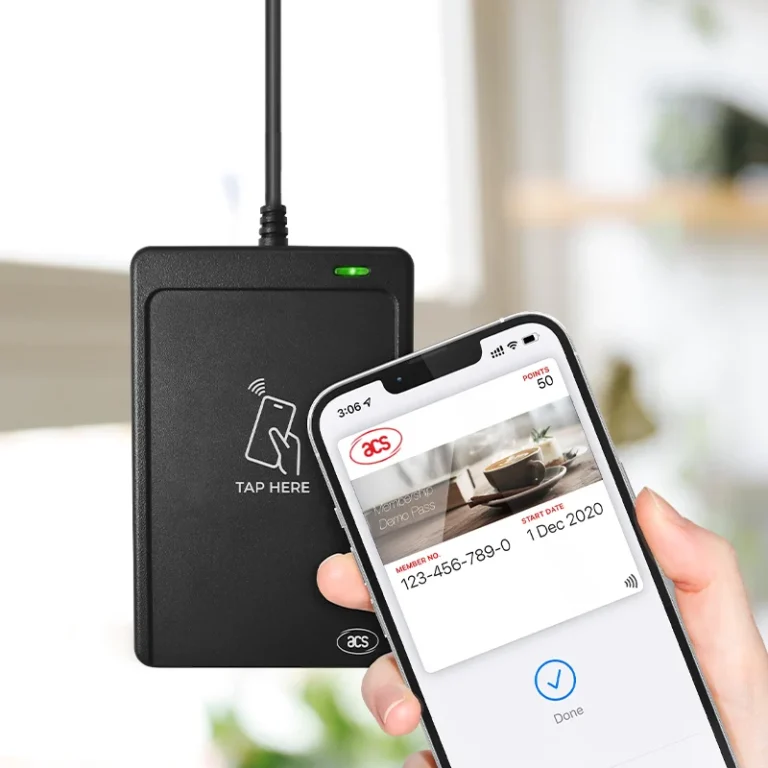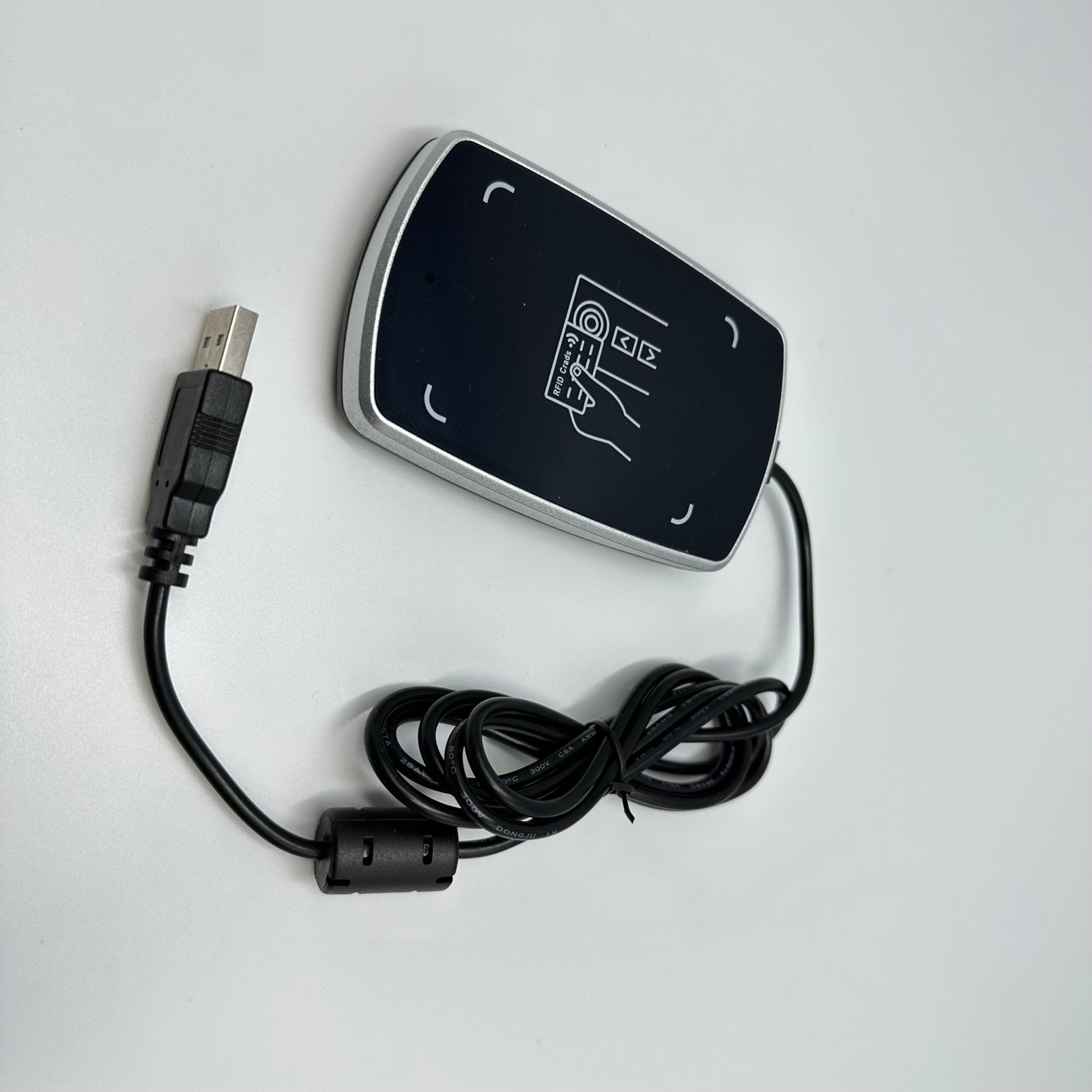

RFID readers are important tools for automatic identification of items. They can quickly read the information of items with RFID tags without manual operation. Readers are widely used in warehouse management, item tracking and equipment use. However, sometimes it will have some problems. Let’s take a look at common problems and how to deal with them.
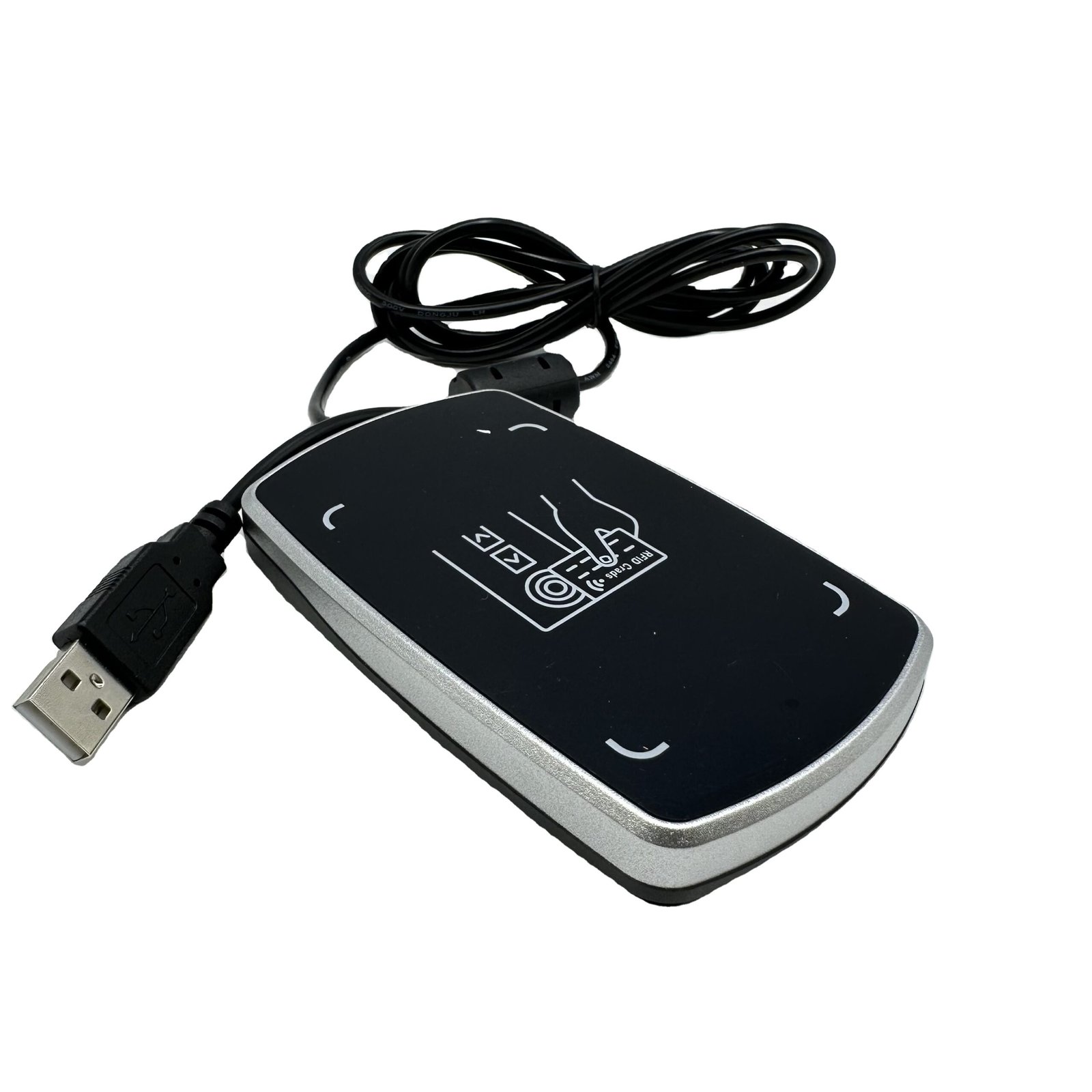
The tag cannot be written
Possible reasons:
The tag is locked and can only be read, not written.
The tag is broken or the storage space inside is full.
How to solve:
Unlock the tag with the reader and restore it to a writable state.
If the tag is broken or full, replace it with a new one.
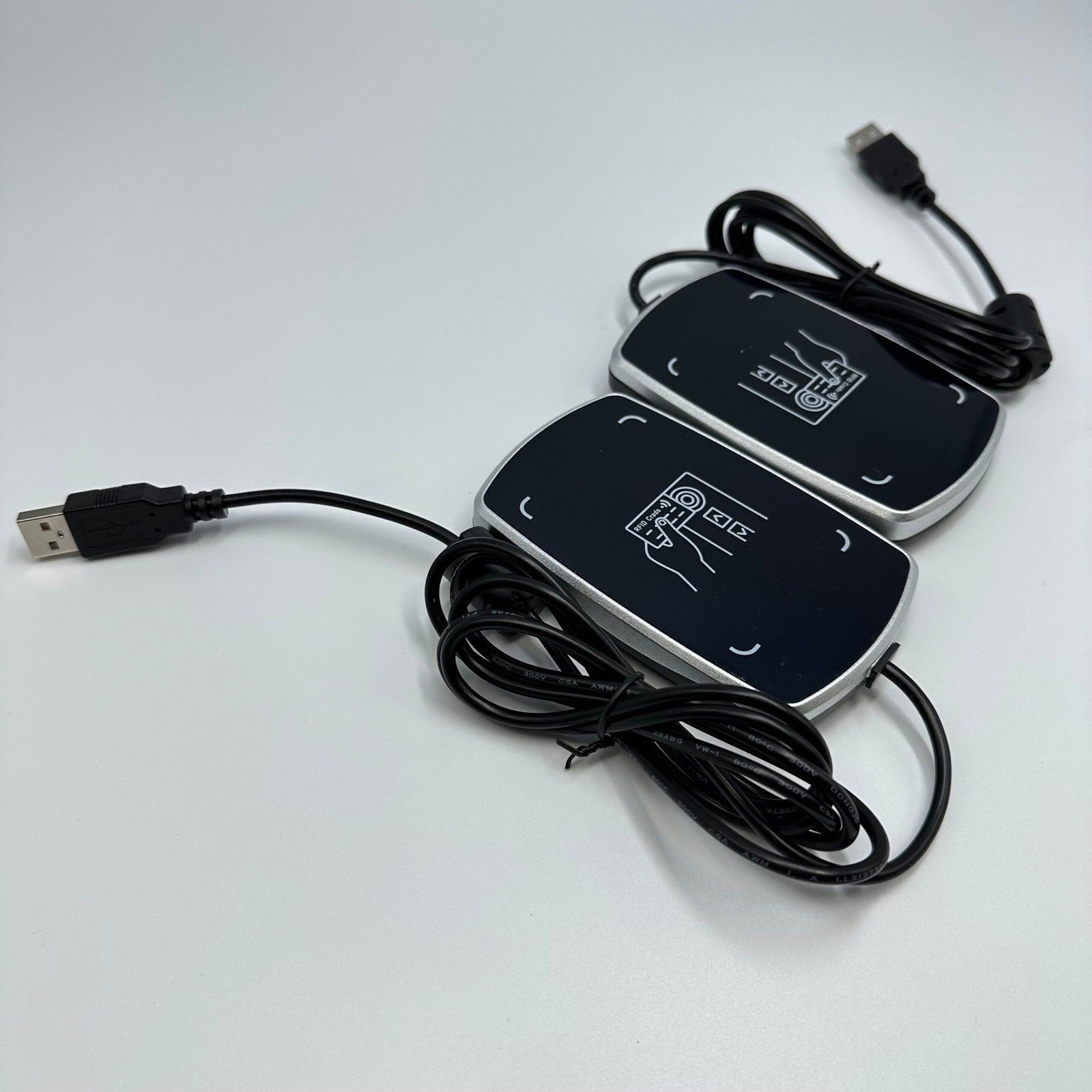
The reader cannot find the tag
Possible reasons:
The tag is too far away from the reader.
The antenna direction is wrong and cannot be read.
How to solve:
Check the power output and antenna direction of the reader and adjust them appropriately.
Place the antenna closer to the tag to ensure that it can be aligned for reading.
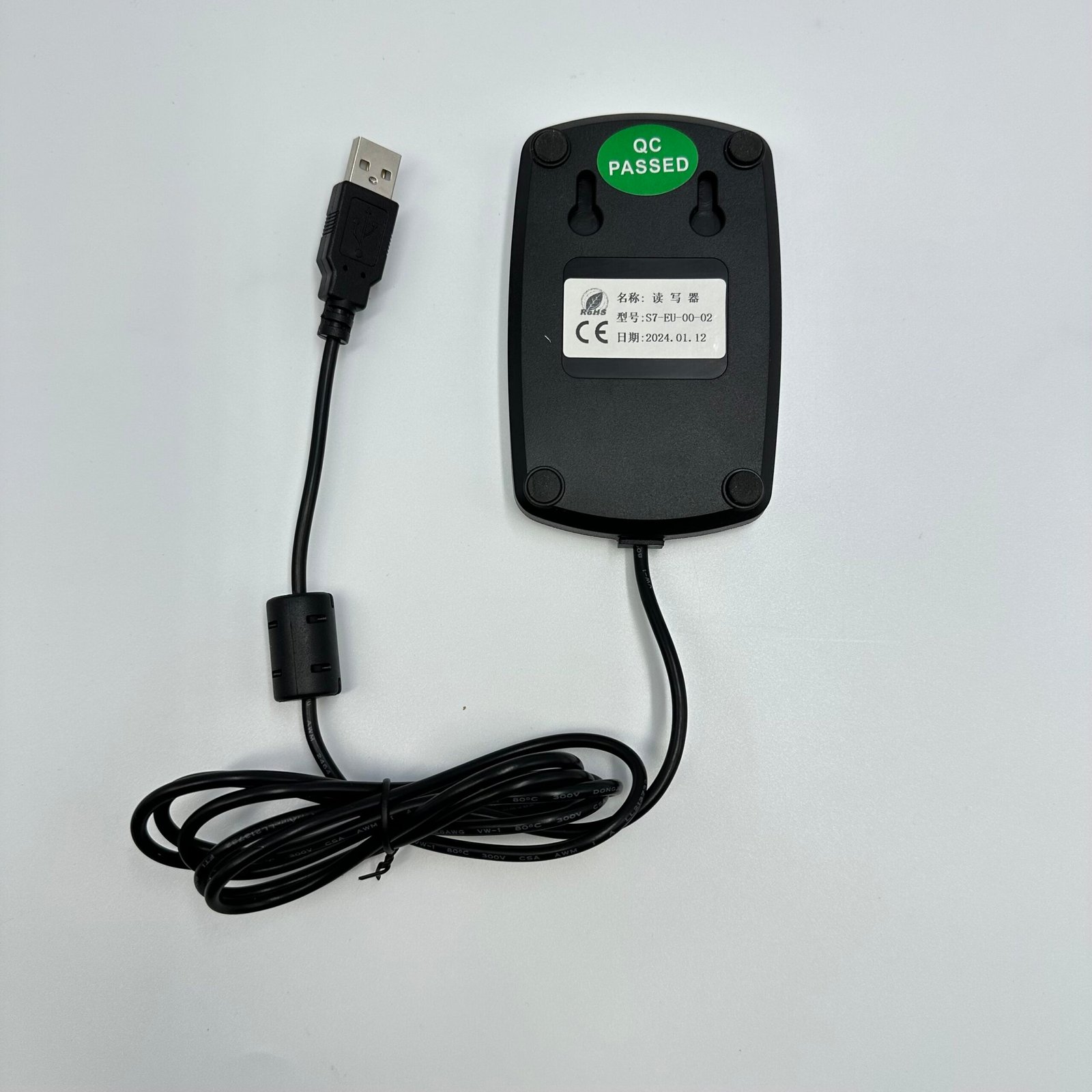
The read data is incorrect
Possible reasons:
Too many tags are crowded together, “interrupting” each other and causing conflicts.
There are other wireless devices nearby, interfering with the signal.
How to solve:
Use tags with anti-collision function, or adjust the reading order.
Move the interference source (such as router, walkie-talkie) farther away.
Communication problems
Possible reasons:
The data cable is loose or broken.
The power supply is not connected properly, or the adapter is damaged.
How to solve:
Check whether the cable is loose or the connector is not disconnected.
Try another power supply to ensure normal power supply.
Summary
Although the RFID reader works intelligently and saves effort, we also need to pay attention to maintenance when using it. If you find that it can’t read accurately, can’t read, or freezes, don’t panic, it may be just a small detail. Just check it according to the situation, you can make it “move” again and continue to help us quickly track every piece of goods.