
Choosing the Right RFID Reader and Writer
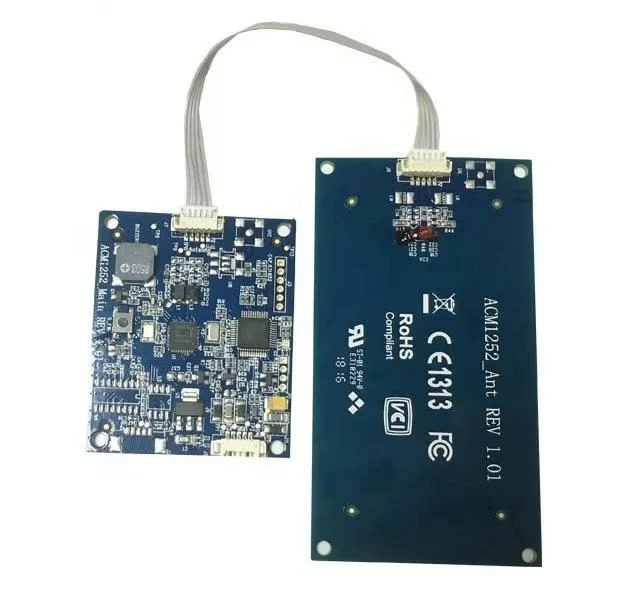
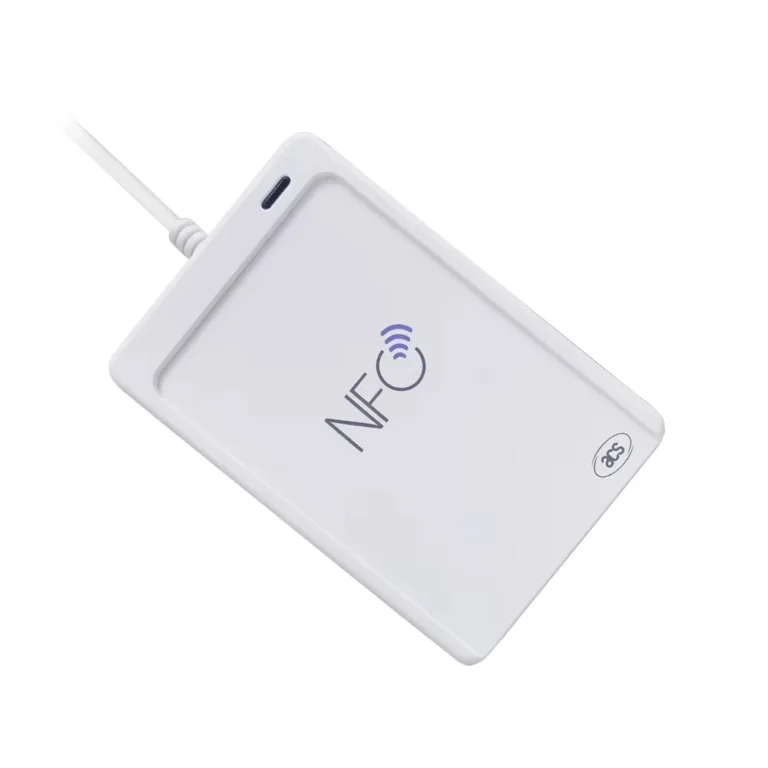
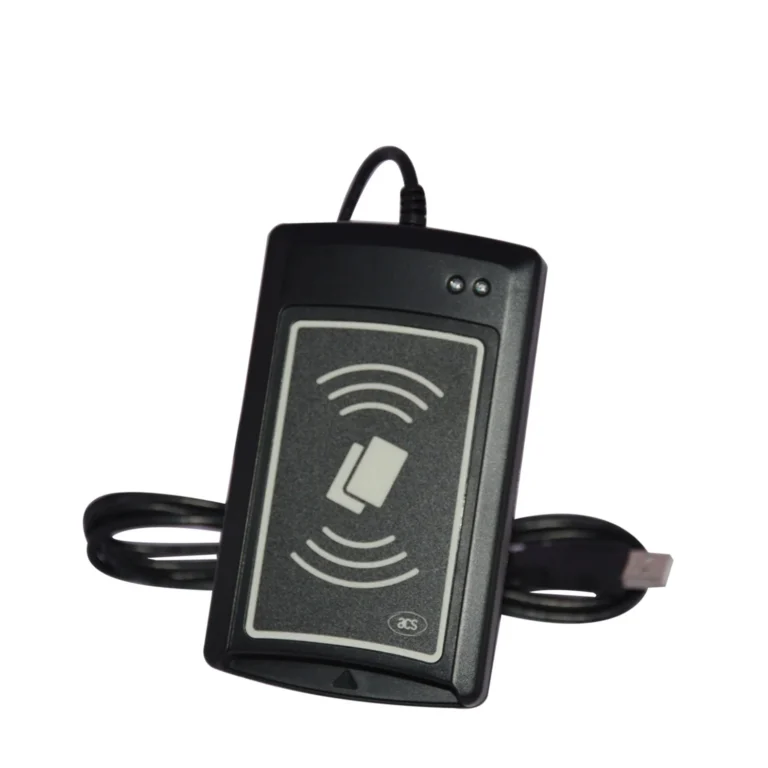
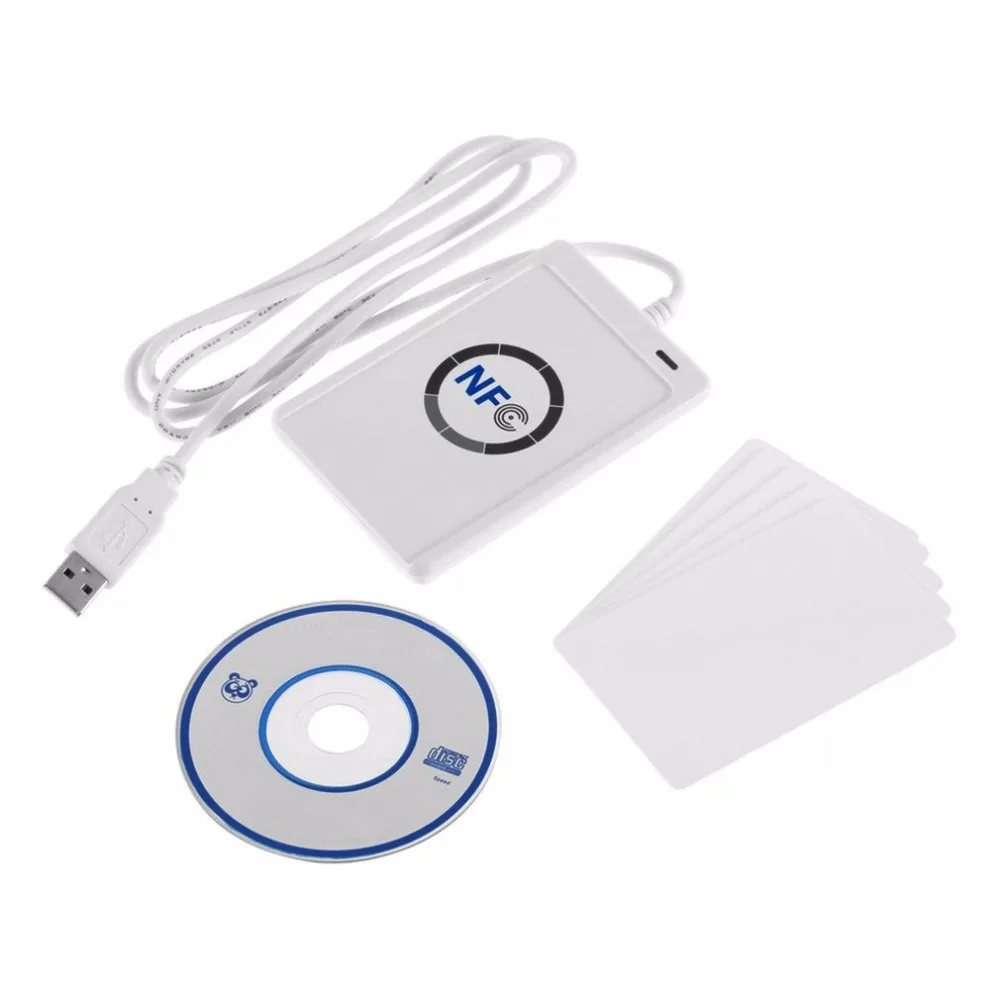
Selecting an RFID reader and writer should be based on specific application needs. An incorrect choice can lead to inaccurate data transmission. Consider factors such as environmental conditions, read range, and accuracy to ensure the best fit.
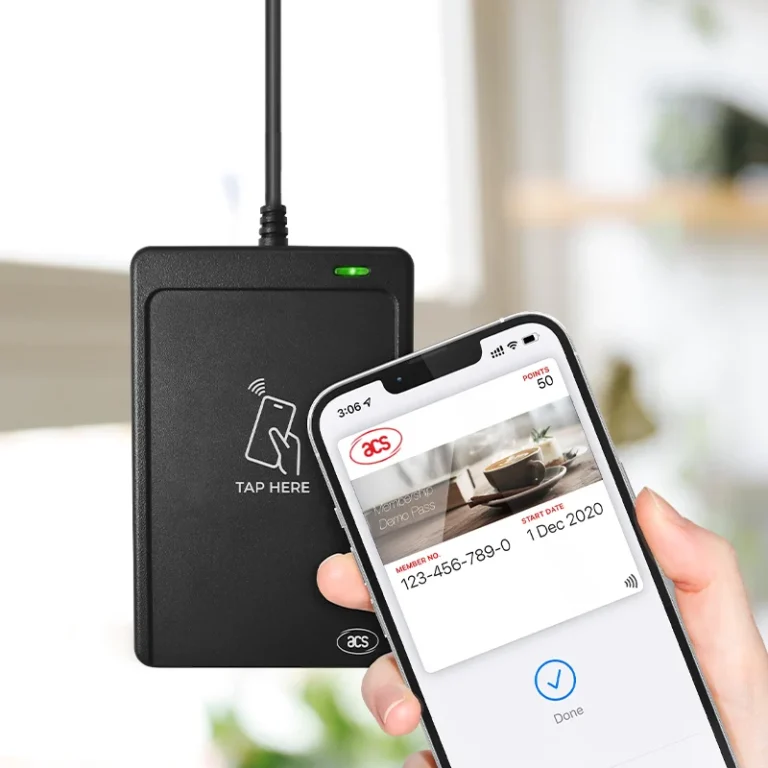
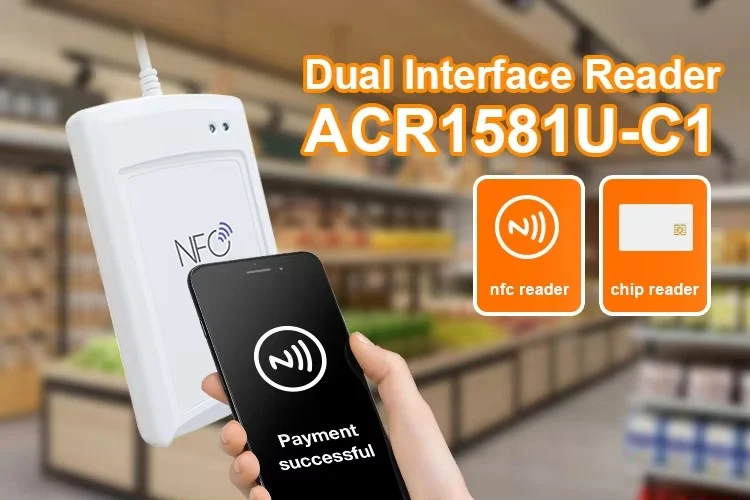
- Short-range readers – Ideal for single-tag operations, such as payment and identity verification.
- Medium-range readers – Offer a balance between efficiency and range, suitable for batch processing.
- Long-range readers – Designed for large-scale identification, effective in high-density tag environments.
Common Mistakes in RFID Reader Usage
Overlooking Multi-Tag Reading Optimization
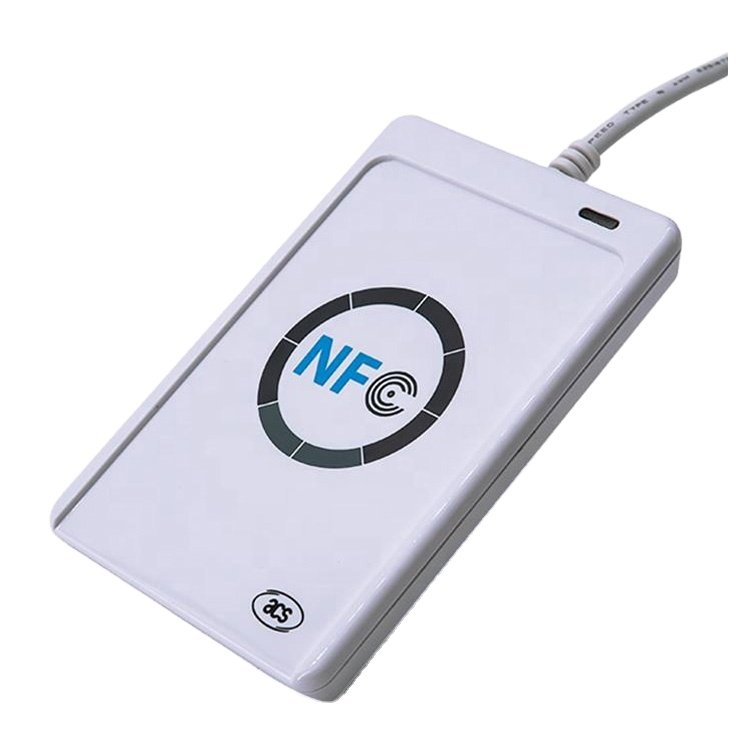
Mistake: Failing to configure the anti-collision algorithm results in missed tag readings in bulk processing.
Solution: Enable “dense mode” and adjust the reading interval to improve multi-tag recognition efficiency.
Ignoring Environmental Factors
Mistake: Deploying standard readers in metal or liquid environments without necessary modifications.
Consequence: Metal reflects signals, and liquids absorb electromagnetic waves, reducing accuracy.
Solution: Use anti-metal tags or shielding materials to enhance signal stability.
Installation and Maintenance Pitfalls
Incorrect Antenna Positioning
Mistake: Improper installation of a linear polarization antenna can cause reading failures due to mismatched angles with tags.
Solution: Align the antenna polarization with the tag orientation for optimal performance.
Neglecting Routine Maintenance and Firmware Updates
Mistake: Assuming RFID readers require no maintenance leads to degraded performance over time.
Risks: Oxidized interfaces can disrupt communication; outdated firmware may expose security vulnerabilities.
Solution:
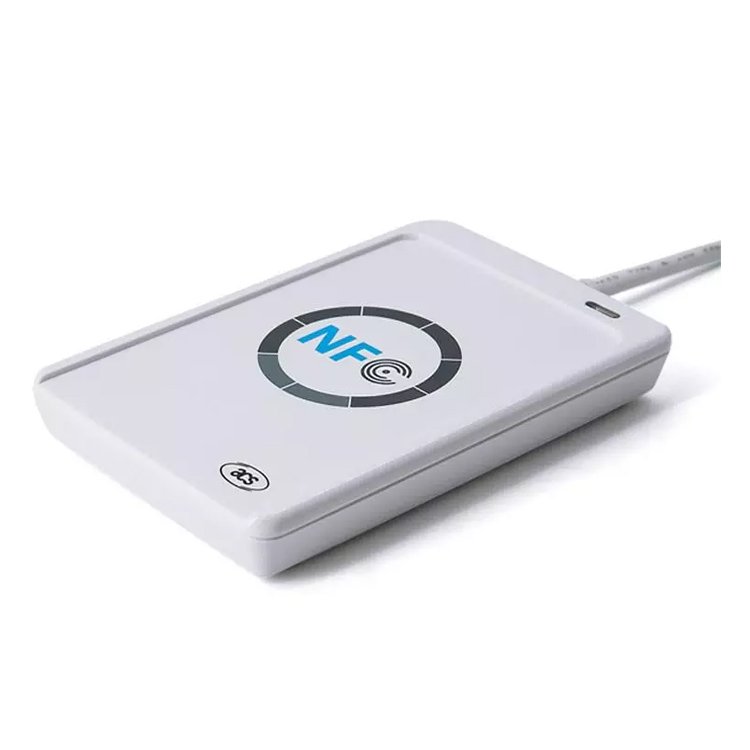
- Clean reader interfaces monthly and check antenna connections.
- Update firmware every six months and monitor manufacturer security bulletins.