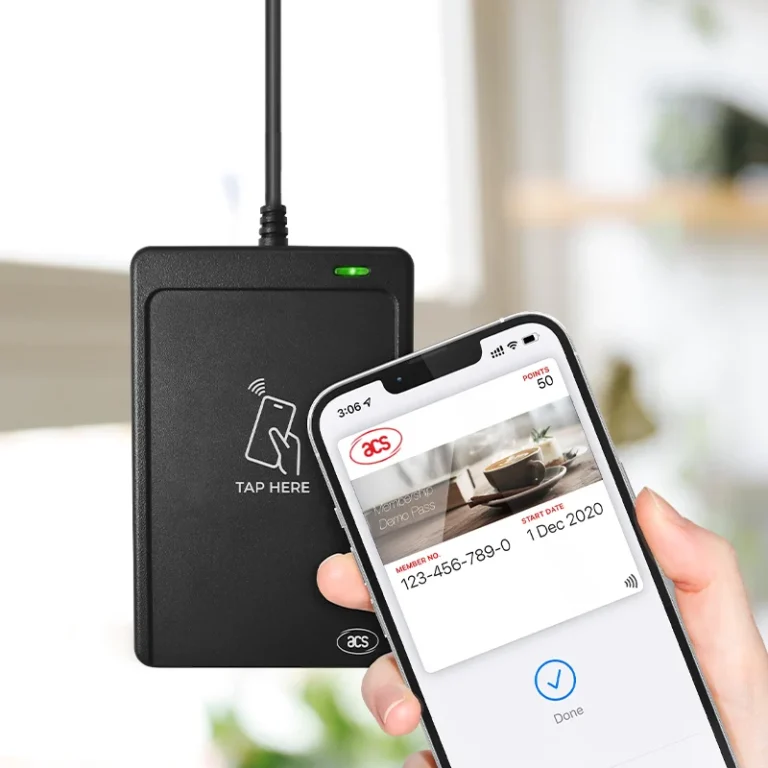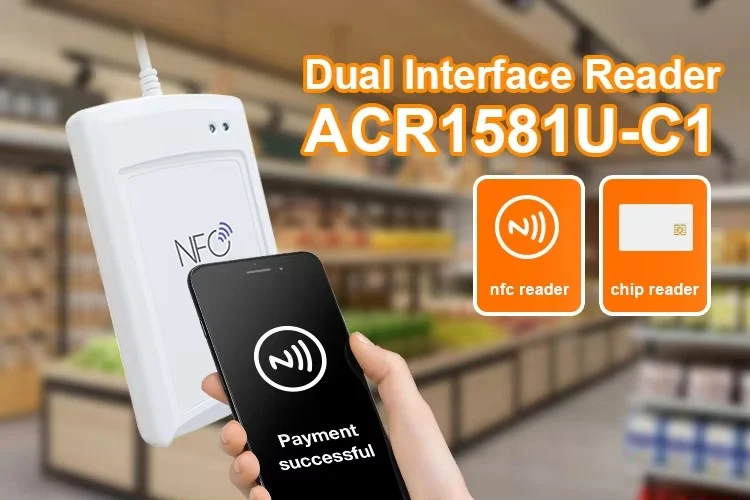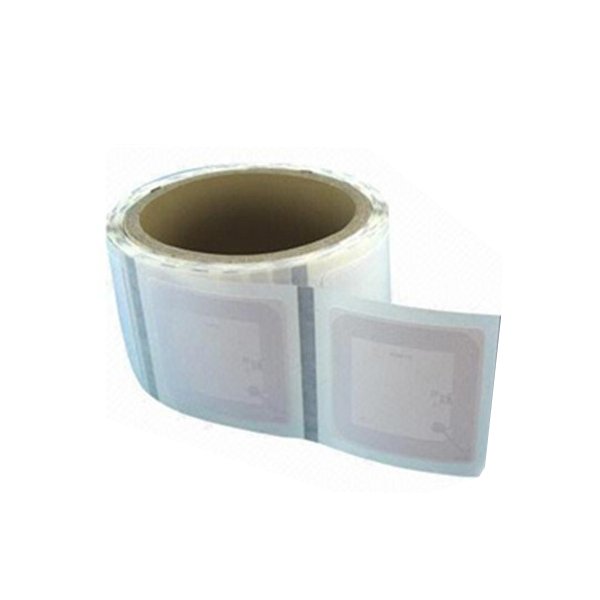

Have you ever noticed that swiping an access card, paying with a tap of your phone, or being able to quickly count the goods on the shelves in supermarkets are all based on a small thing – RFID tags.
This article will use simple language to show you what RFID is, how it works, what types it has, and how they “talk” to each other (that is, what we call communication protocols). Let’s take a look at the secrets behind this technological “little magic”.
What is RFID? How does it work?
RFID stands for “Radio Frequency Identification”, a technology that uses radio waves to identify and track items. Think of it as a “sounding” tag that can “speak” its identity information when a reader approaches.
A complete RFID system consists of two main parts:
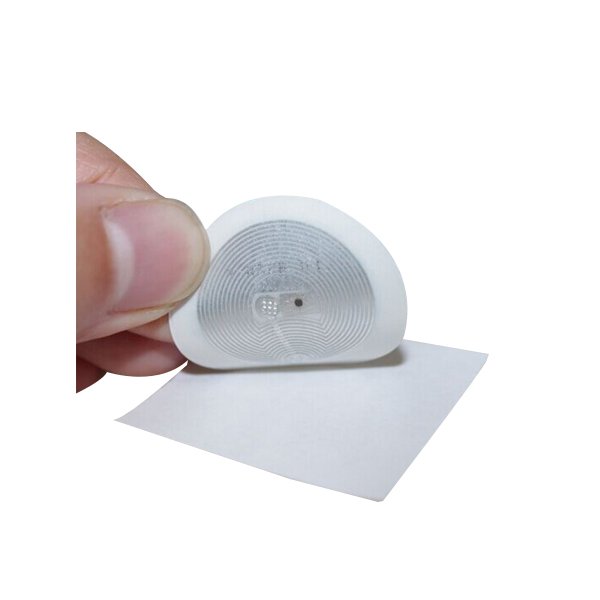
RFID tag: Contains a microchip and antenna, responsible for storing information and sending signals.
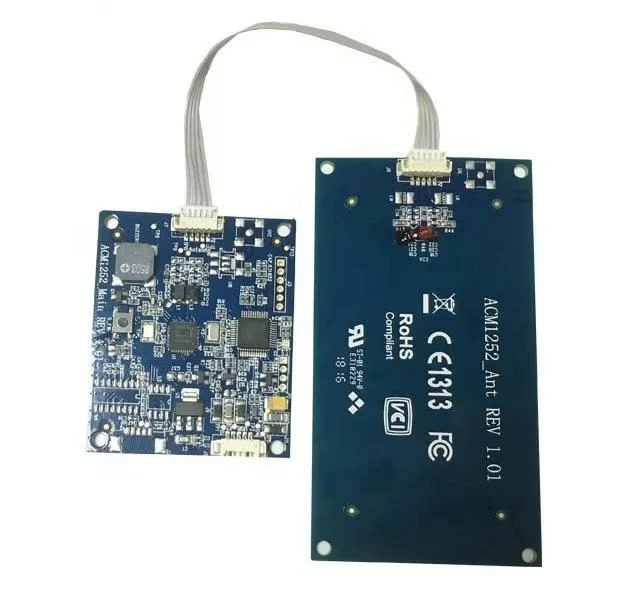
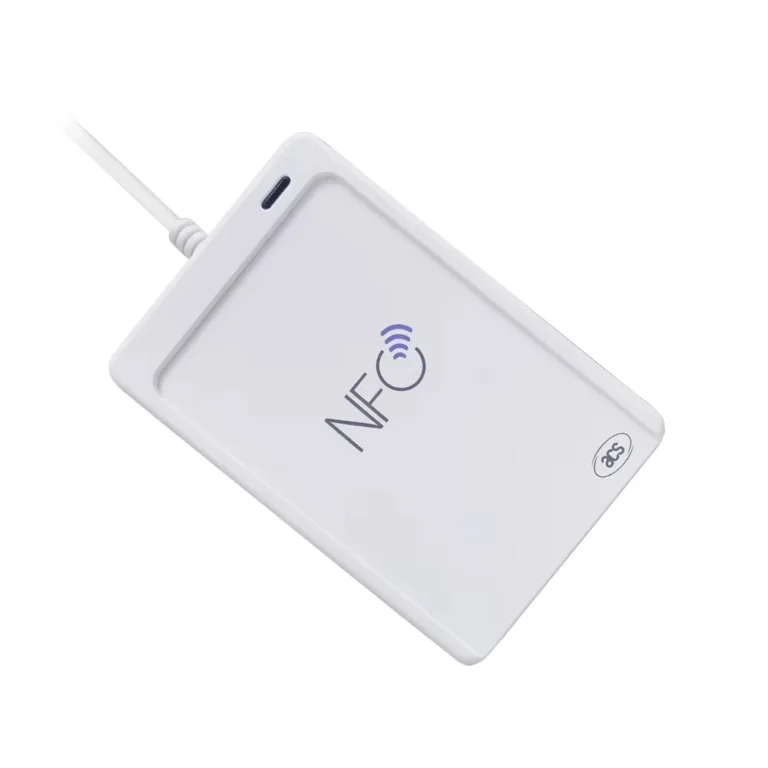
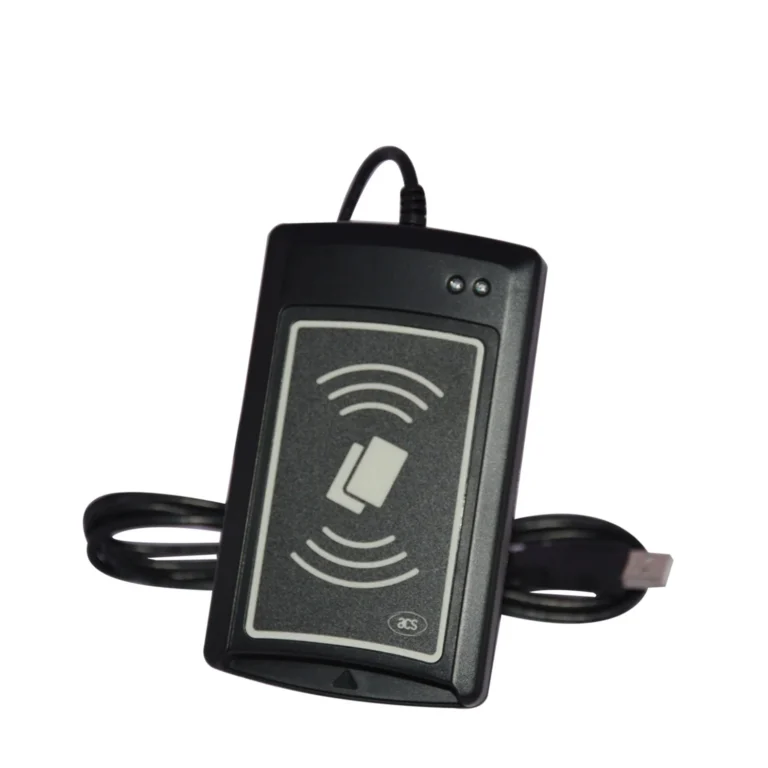
RFID reader: Responsible for sending wireless signals and receiving replies from tags, and then transmitting data to a computer or system.
The whole process does not require contact. As soon as the tag is close to the reader, the information can be “swiped” out.des.

How to classify RFID by frequency?
RFID tags are also classified according to their operating frequency. Different frequencies affect their reading distance, anti-interference ability and application range.
Low frequency (LF, 125~134 kHz)
Short reading distance (several centimeters)
Strong penetration, anti-water and anti-metal interference
Commonly used for animal identification and access control systems
High frequency (HF, 13.56 MHz)
Medium reading distance (up to 10~15 cm)
Commonly used for bus cards, access control cards, NFC applications
MIFARE Ultralight EV1 belongs to this category, compatible with NFC mobile phones, supports URL, ID encoding, and small text data exchange.
Ultra-high frequency (UHF, 860~960 MHz)
Long reading distance (several meters to more than ten meters)
Fast reading speed, batch reading
Used for warehouse management, logistics tracking, retail anti-theft, etc.
What is the RFID protocol? Why is it important?
RFID protocol is like the “language standard” of tags and readers. Without a unified protocol, it’s like one person speaking Chinese and one person speaking Spanish, and no one can understand each other.
Common RFID communication protocols include:
ISO/IEC 14443: The mainstream protocol for high-frequency (HF) tags, suitable for bus cards and access control cards.
ISO/IEC 15693: High-frequency tags, supporting longer reading distances, suitable for library and archive management.
EPCglobal Gen2 / ISO 18000-6C: A widely adopted protocol for UHF tags, used for supply chain management.
Take MIFARE Ultralight EV1 as an example. It supports ISO 14443A protocol, which makes it compatible with most NFC mobile phones or card readers, and realizes functions such as code scanning jump and identity recognition.