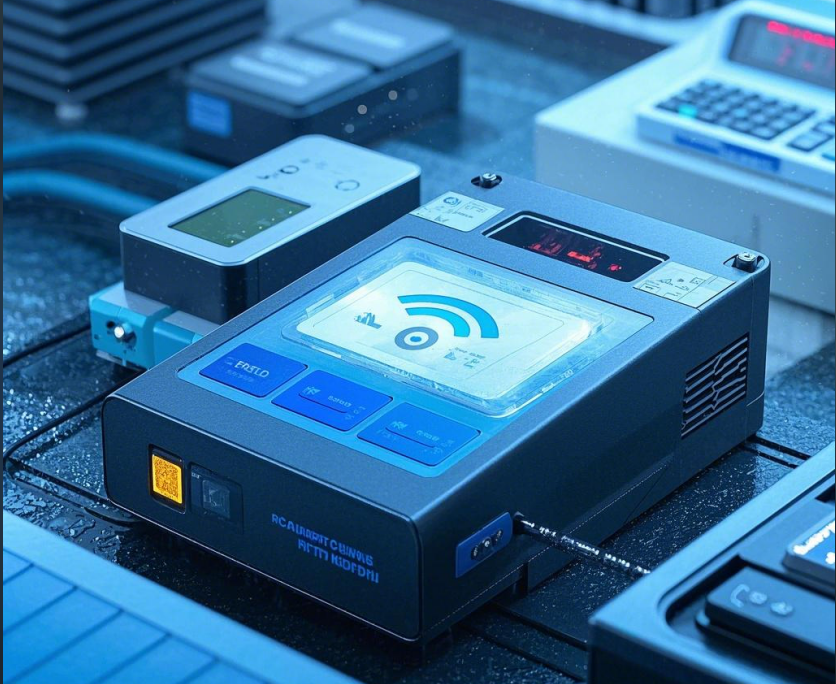

Have you ever wondered how to do things like swiping cards for access control and tracking goods in cold storage or icy and snowy places with temperatures of dozens of degrees below zero? In fact, these are all inseparable from a small tool – RFID reader. But in a low-temperature environment, its “working state” will become much more difficult than usual. Today we will talk about how to deploy and optimize RFID readers in a low-temperature environment so that it can work “smartly” even in a refrigerator.
What problems will occur if it is too cold?
- The machine’s brain can’t turn
When the temperature is low, the processing speed in the electronic chip slows down and the signal becomes inaccurate. Just like people shivering from the cold and writing poorly, the reader may also “not read the label clearly”. - The battery is not powerful
Some RFID devices work on batteries. When it is cold, the battery efficiency will be greatly reduced, and it may automatically shut down before it is used for a long time. - Materials are easy to break
When it is very cold, plastics and metals will become very brittle, and may crack, deform or have poor contact over time.
What should we do? Pay attention to these deployment tips!
- Choosing the right device is the first step
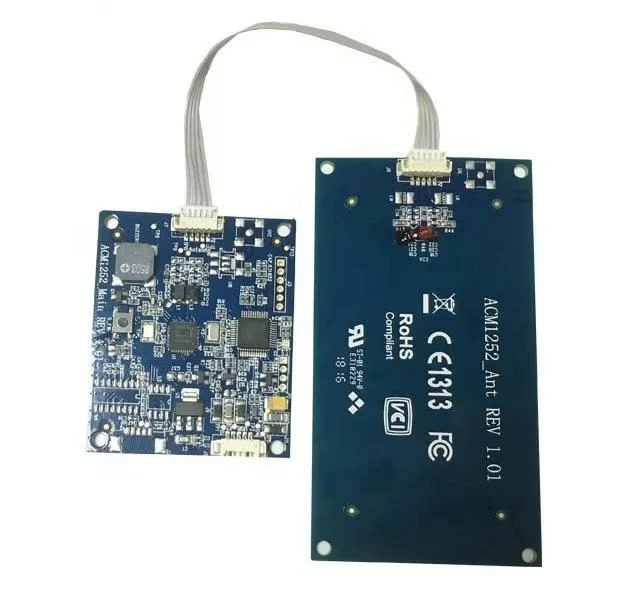
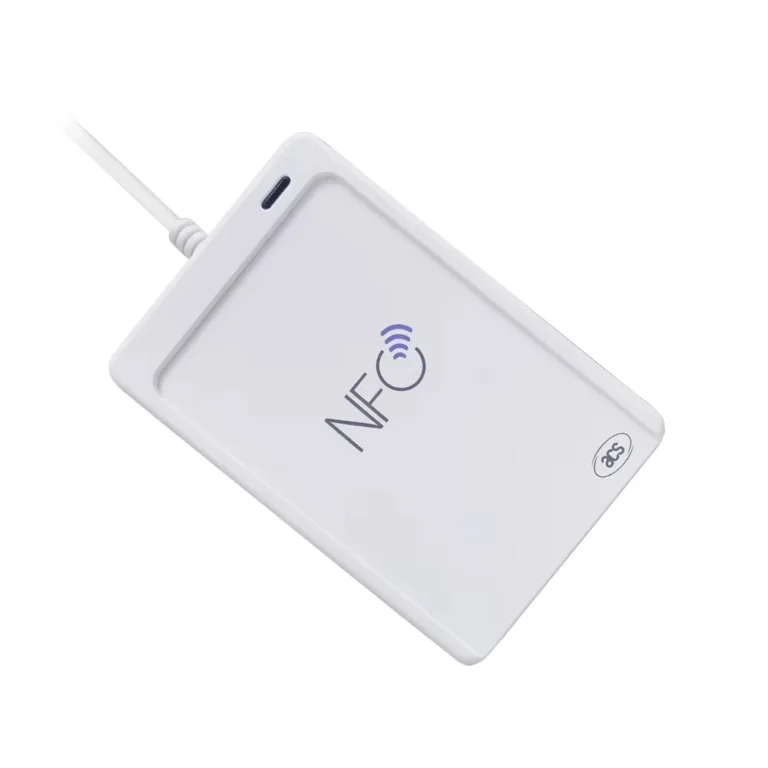
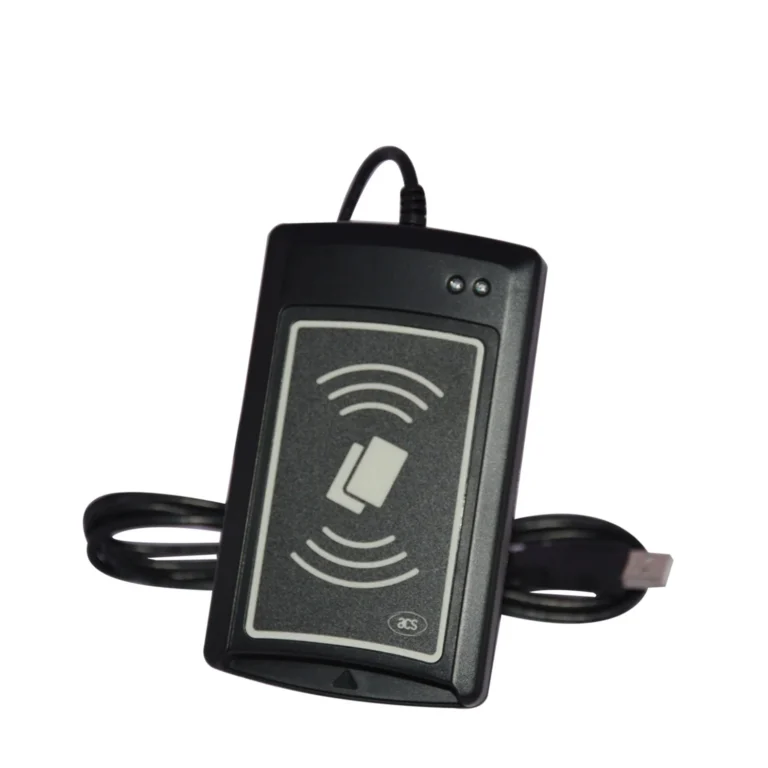
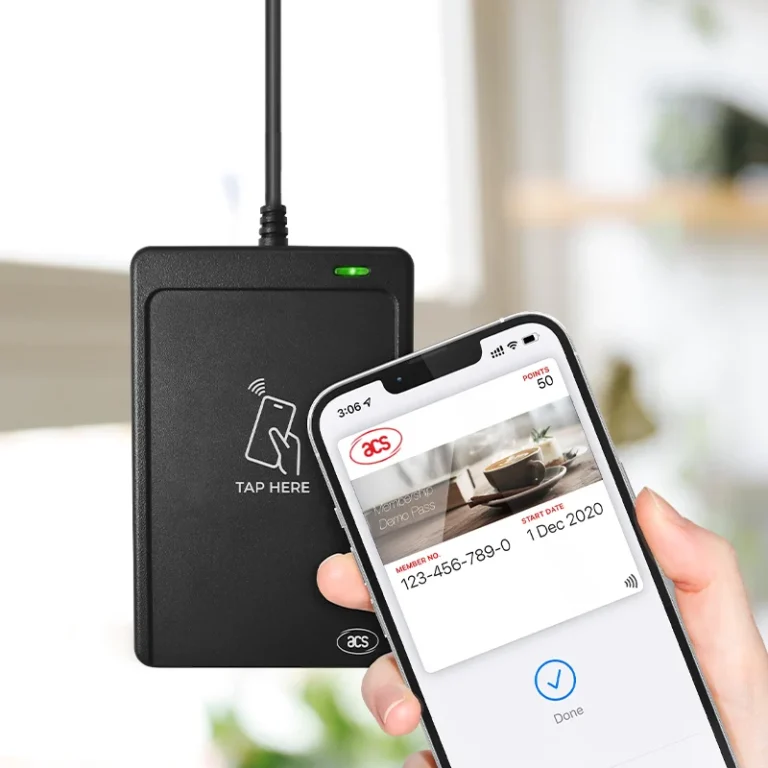
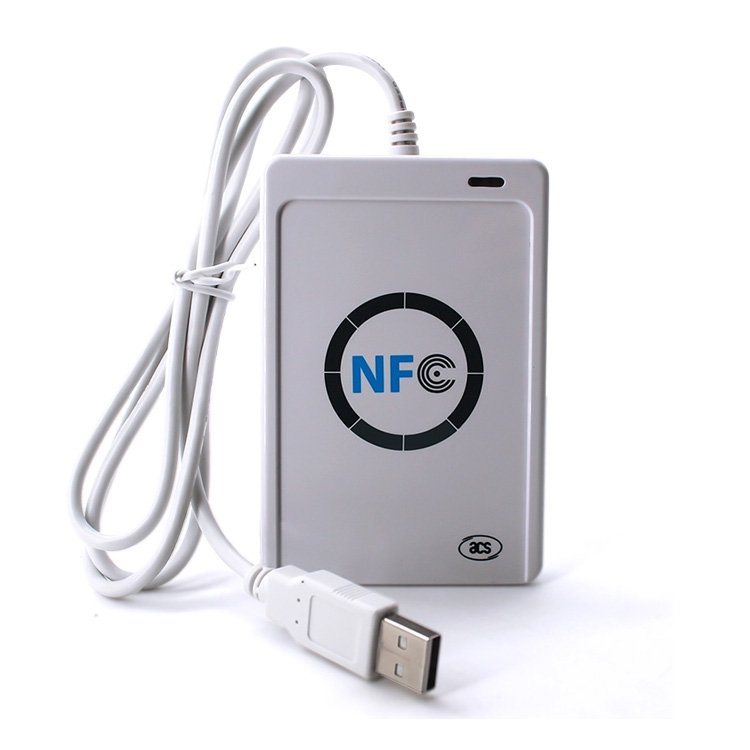
Let’s take this USB RFID reader with an operating frequency of 13.56 MHz and supports multiple protocols such as ISO14443 and NFC as an example. Its operating temperature range is 0 to 50°C. It is completely fine in a normal indoor environment, but if it is to be used in a cold storage or a lower temperature place, some additional preparations are required
- Don’t put it randomly during installation
Don’t install it in places where condensation will occur: If the device is installed in a place where the alternation between hot and cold is obvious, water vapor will condense into small water droplets on the surface, which may cause a short circuit.
The signal should be unobstructed: RFID works by wireless signals, so don’t let metal walls or thick shelves block it.
Convenient maintenance is also important: Once a fault occurs in cold weather, it is difficult to troubleshoot the problem, so the device should be installed in a place that is easy to reach.

Finally, to summarize
A biologAlthough this RFID reader with a USB interface, weighing only 70 grams and suitable for indoor normal temperature environments cannot be used directly in extremely cold areas, it can also perform well in low temperature environments as long as it is equipped with a heat shield, external heating, and suitable installation.
Remember: deploying RFID in a cold environment is not just about throwing it in, but about “wearing the right clothes, standing in the right position, and adjusting the parameters”. Only in this way can it work smartly and stably in ice and snow.