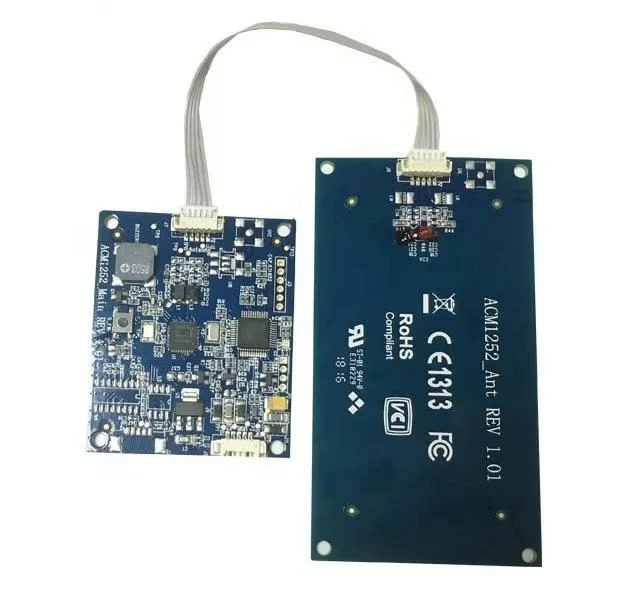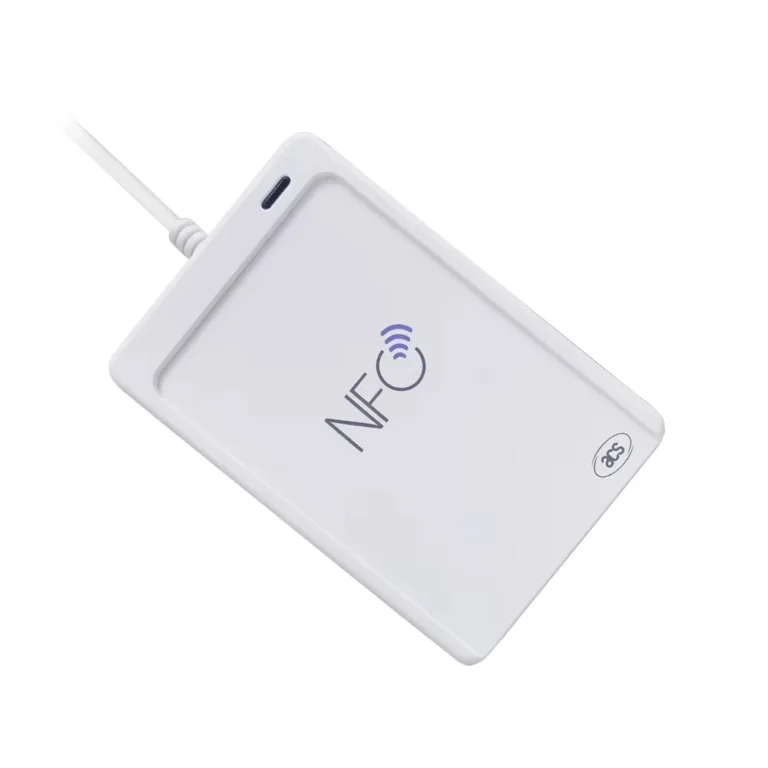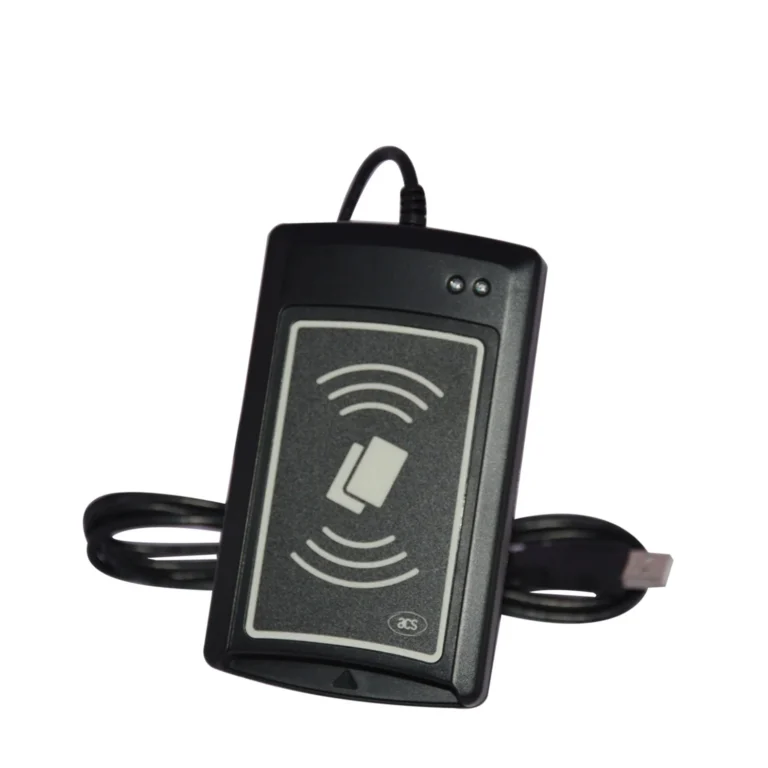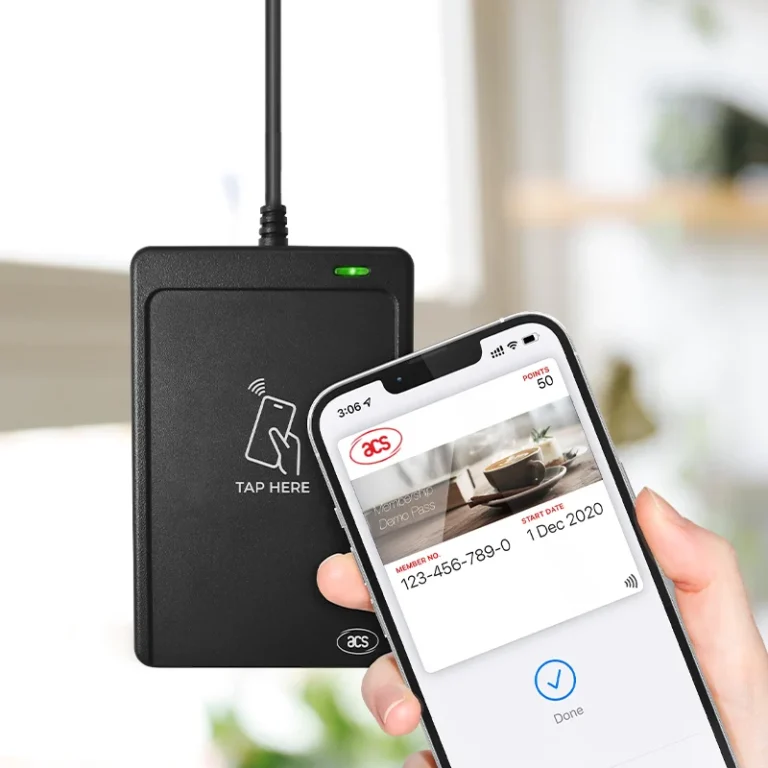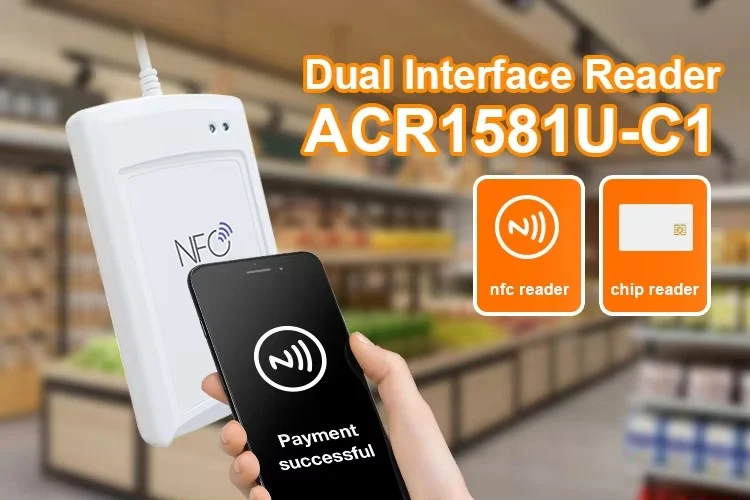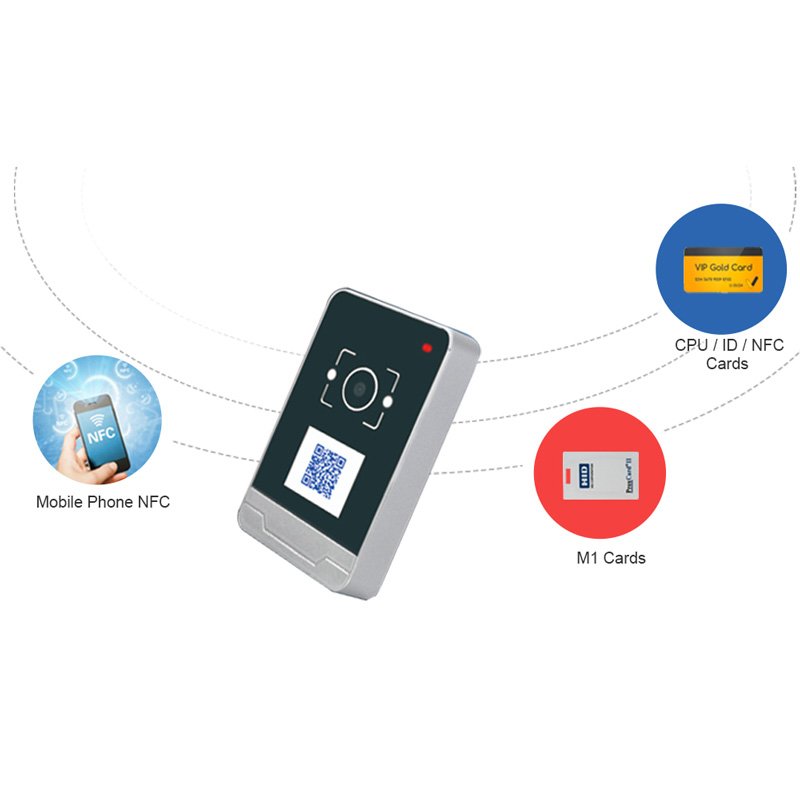

Have you ever wondered how the security door of a shopping mall knows whether you have paid or not? Why does the gate of a community open when you swipe the card? The technology behind this is called RFID, and the RFID card reader helps us identify these “RFID tags“.
Today we will talk about what RFID is, what the card reader does, and how it works. Don’t worry, we will explain it very simply and ensure that you can understand it at a glance.
The power of RFID lies in
It can be recognized without contact: unlike swiping a card, which requires insertion, RFID can be read as long as it is close to the card;
It can recognize very quickly: it can be completed in the blink of an eye;
It can recognize many tags at the same time: for example, when taking inventory in a warehouse, it can “scan a bunch of” goods at the same time;
It can recognize through things: it can “know” what it is without “seeing”.
Types of RFID readers
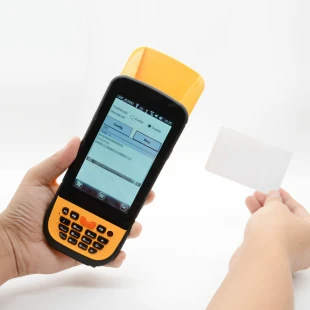
Depending on the working frequency, there are three types of readers:
- Low frequency (125kHz)
Reading distance: very close (a few centimeters)
Common scenarios: access control cards, pet chips, water meters, electricity meters
- High frequency (13.56MHz)
Reading distance: about 10cm to 1 meter
Application range: bus cards, campus cards, library management systems
Common protocols: ISO 14443, ISO 15693 (these two protocols are like different languages, and the reader must be able to “understand” the “language” of the tag)
The reader we are talking about today has an operating frequency of 13.56MHz, which is a high-frequency reader.
- Ultra-high frequency (860~960MHz)
The reading distance is farther, up to a few meters
Mostly used for logistics warehousing and commodity management in large supermarkets
To sum up
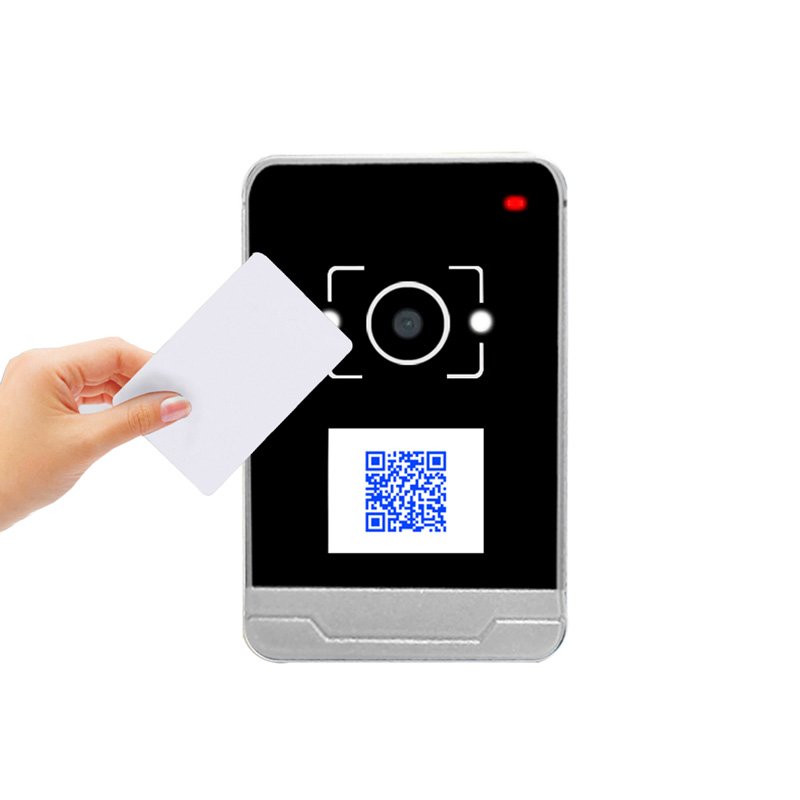
RFID card reader is a magical “electronic eye” that can read the data in the tag through radio waves. It works without contact, at a very fast speed, and can identify several tags at the same time.
And its matching RFID tag is like the “ID card” of each item. The combination of the two is very convenient in life and work, and is widely used in access control systems, logistics warehousing, supermarket management, libraries and other scenarios.
The next time you swipe your card to enter the door, borrow a book, or pay for shopping, you might as well think about it. These seemingly simple actions actually have a pair of invisible “electronic eyes” working silently behind them.ecause it must distinguish the weak signal reflected by the tag from the various reflected signals received. Many reader products have the problem of data misreading, which has become an obstacle to the development of RFID technology.