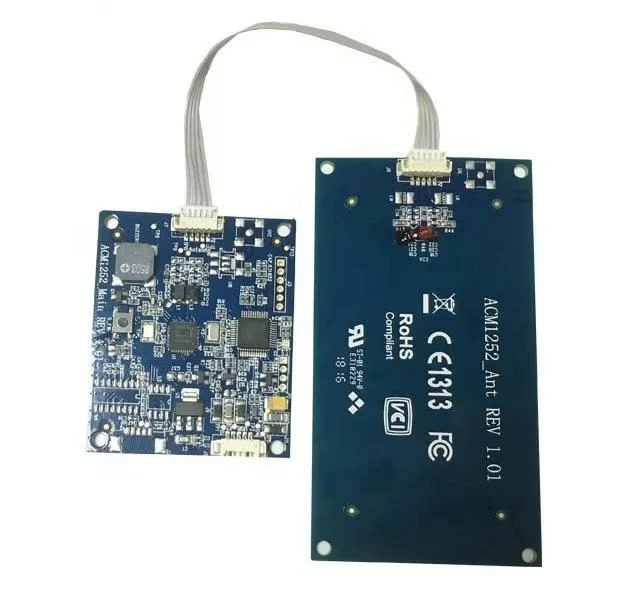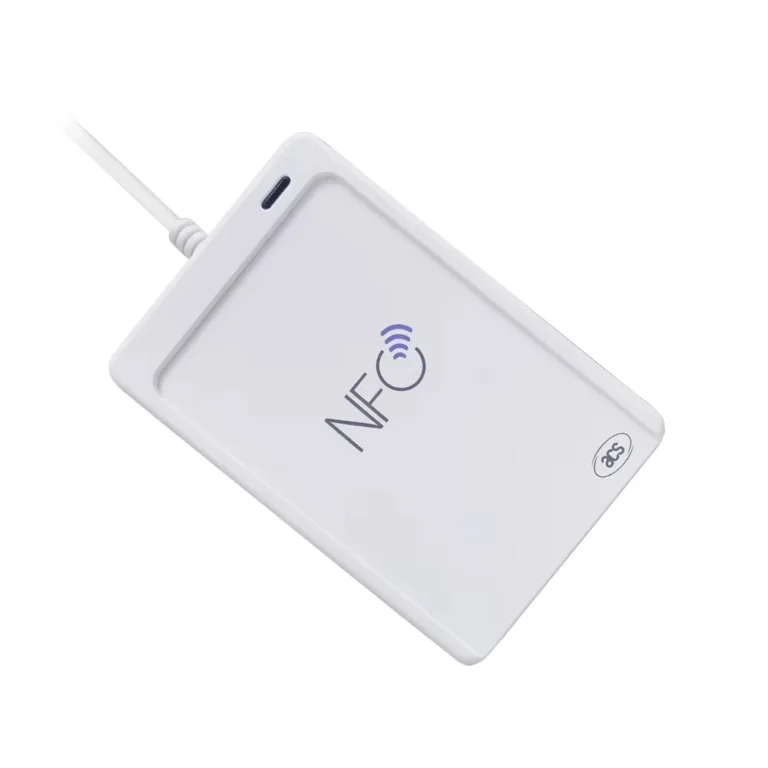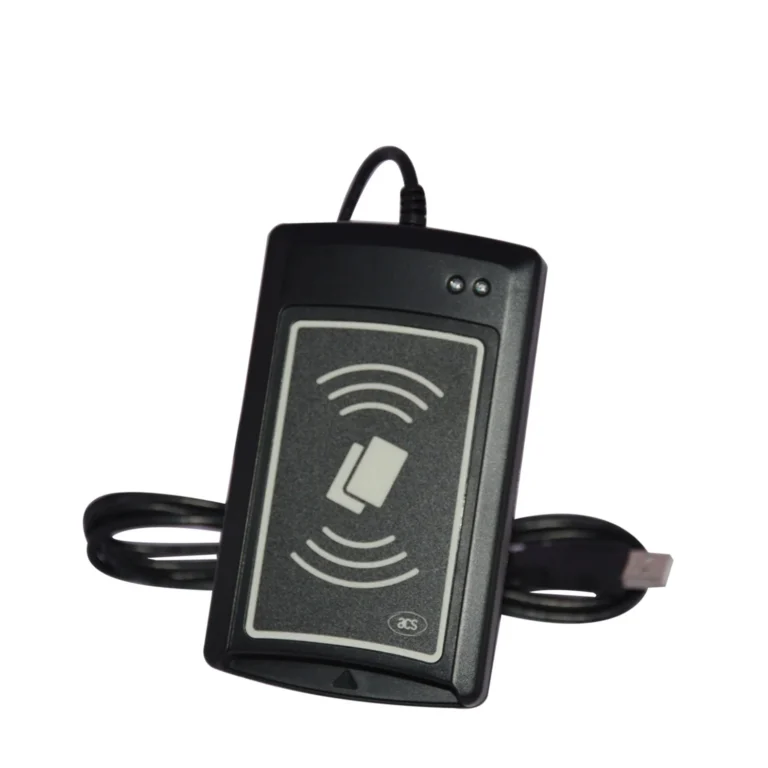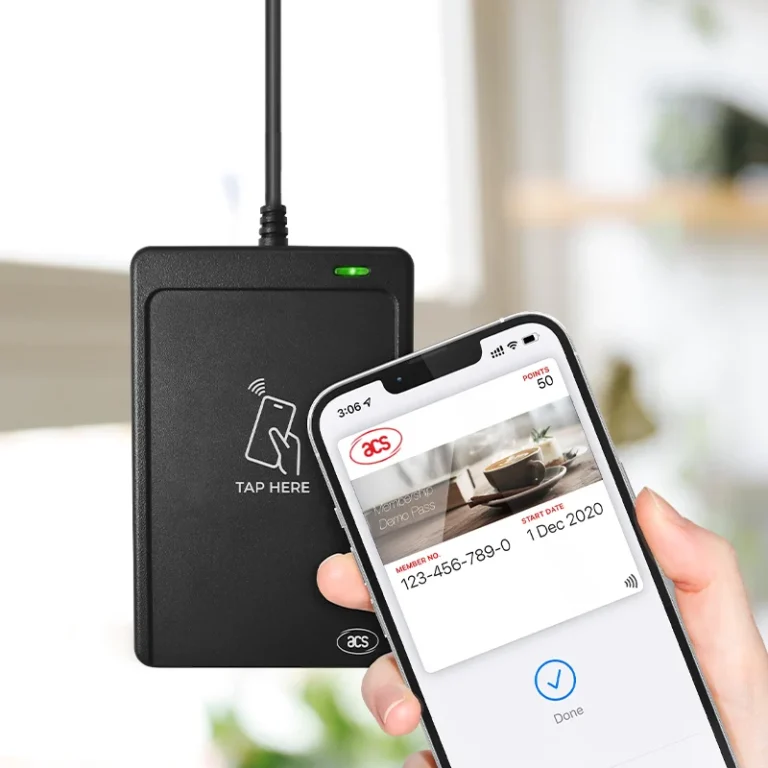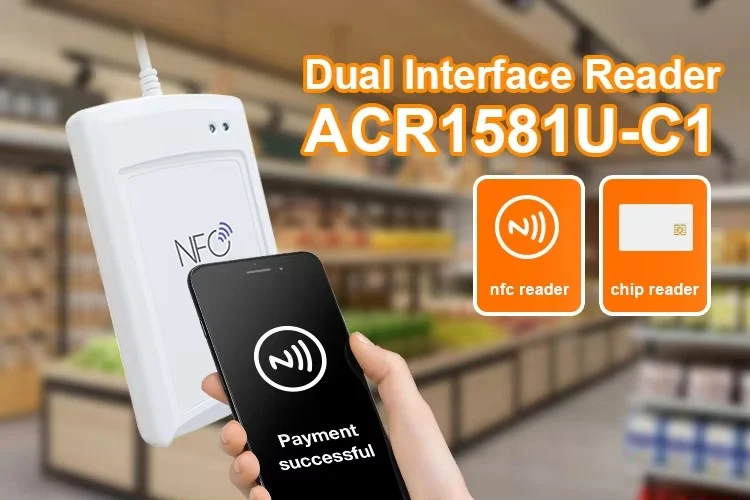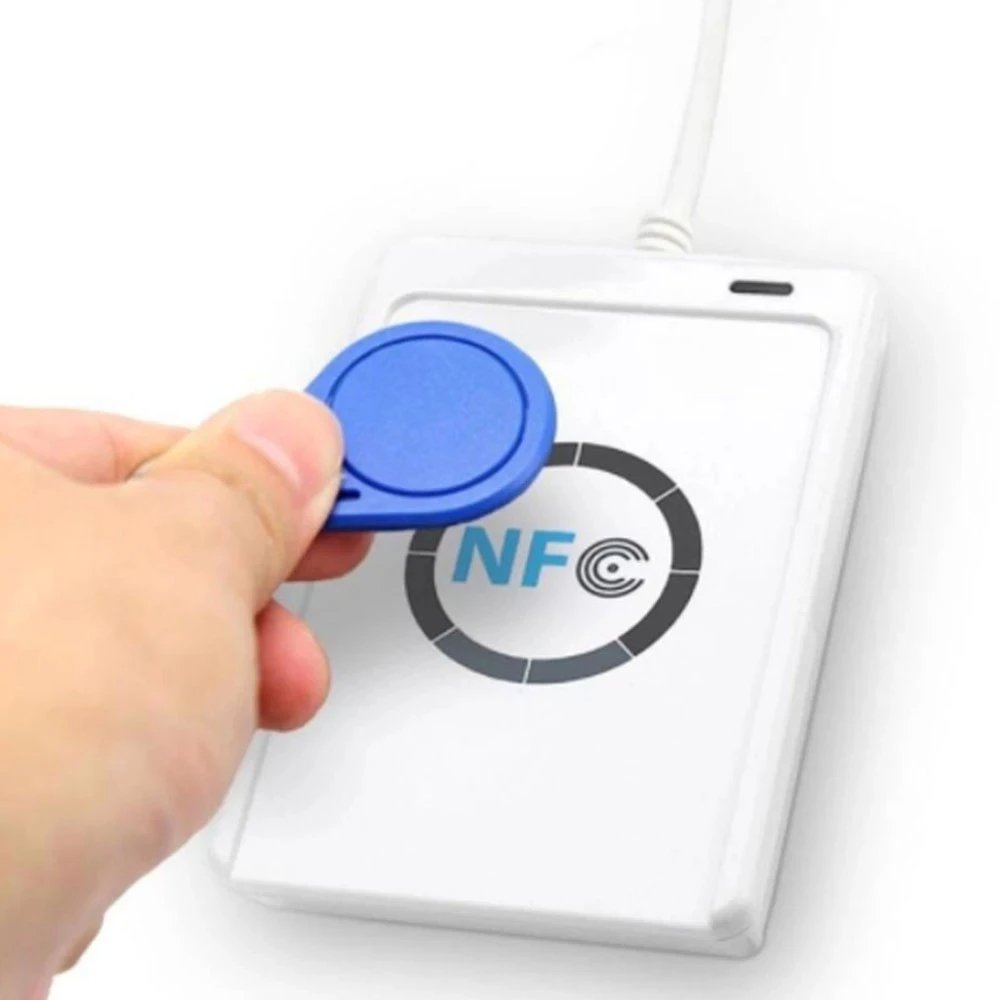

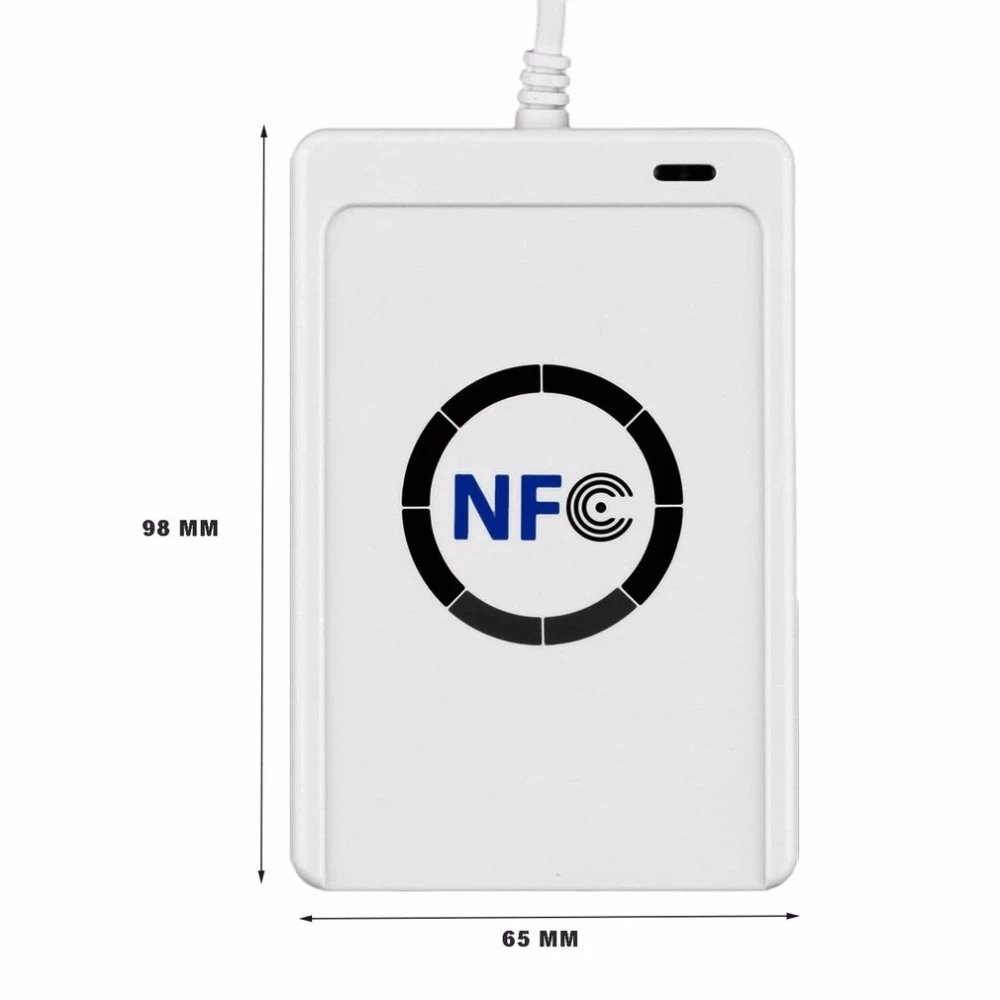
Did you know? The RFID readers we use to scan cards for access control, swipe buses, and check inventory are also becoming smarter. The future RFID reader is no longer just a “scan and pass” tool, but a little assistant that can “think” and “judge”. Let’s take a small RFID reader with a size of only 98 mm × 65 mm × 12.8 mm and a weight of only 70 grams as an example to see its future development direction.
Key technology trends
1.Smarter “brains”: edge computing and intelligent analysis
Today’s RFID readers can not only “read cards”, but also “think”. By adding edge computing and artificial intelligence technology, it can analyze data by itself, such as determining whether a certain product has been taken by mistake, without waiting for the server to respond. This is like the little security guard at your door. Without calling the headquarters for instructions, he can immediately tell whether the visitor is an acquaintance. It is fast and responsive.
2.Fast and power-saving, longer battery life
We all want fast and low-energy electronic products, right? The same is true for RFID readers. Today’s readers have reduced power consumption while maintaining high performance (reading distance up to 50 mm). For example, this device only requires 100 mA of current in normal use and only 50 mA in standby, which is very suitable for installation in mobile devices or scenarios that require battery power.
3.Getting smaller and smaller, with more functions
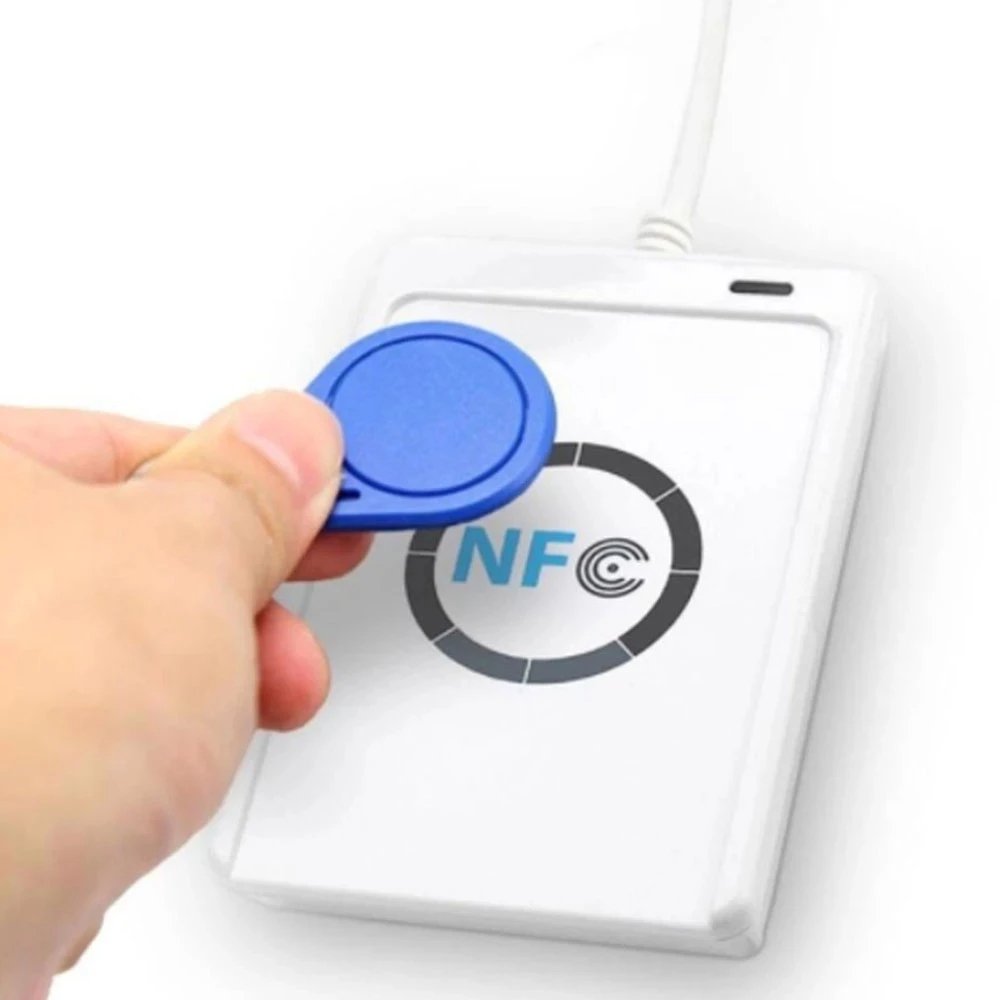
Today’s RFID readers are not only smaller, but also equipped with more functions, such as temperature sensors, Bluetooth modules, Wi-Fi modules, etc. A small reader placed on a wearable device, medical device or industrial automation tool can monitor the environment and collect data at any time. It can even connect to a computer, mobile phone or other terminal device through a USB interface. For example, our device is compatible with Windows, Linux, Mac and even Android systems, truly “plug and use”.
Looking to the future, how will RFID change?
Join hands with 5G to become faster and smarter
The 5G network is like an information highway, allowing data to be transmitted faster. If future RFID readers take the 5G express, they can achieve remote real-time monitoring. For example, once the goods in the warehouse are moved, the background will know immediately. In this way, whether you are on site or not, you can always grasp the situation.
Combined with more sensing systems to form a “super sensing network”
In addition to RFID, NFC, Bluetooth, and Wi-Fi are also commonly used wireless technologies. In the future, RFID readers will not fight alone, but will “team up” with them to form a larger “sensing network”. For example, in a warehouse, the reader can not only read the cargo label, but also sense the temperature and humidity, position changes and even vibration, comprehensively improving the level of intelligent management.
To sum up
This small RFID reader weighing only 70 grams can not only read a variety of NFC tags and support multiple system connections, but also operate efficiently, energy-saving and environmentally friendly. With the addition of artificial intelligence, 5G and blockchain, RFID readers will change from a “scanning tool” to a “smart brain”, bringing more convenience to our lives and work.