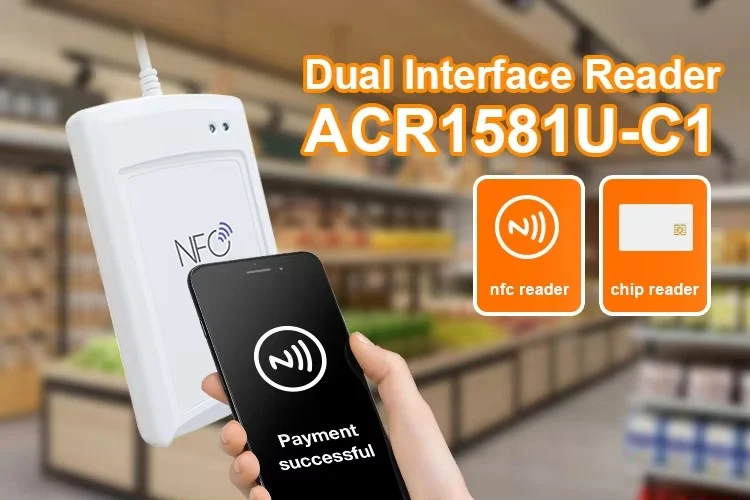
What is an RFID Reader?
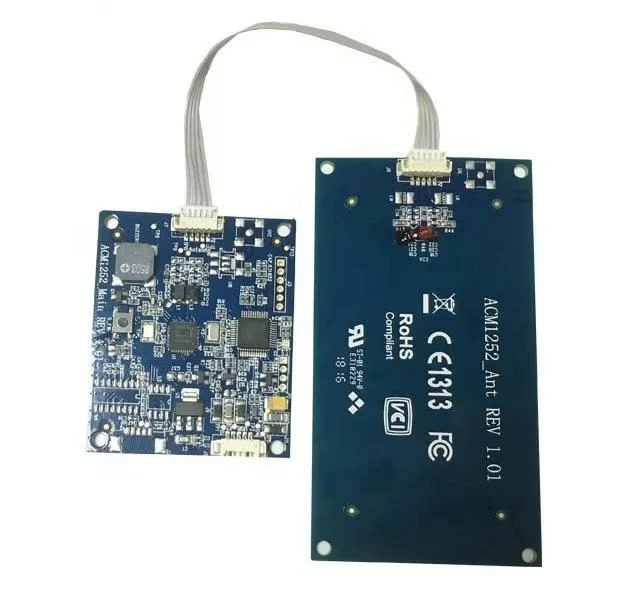
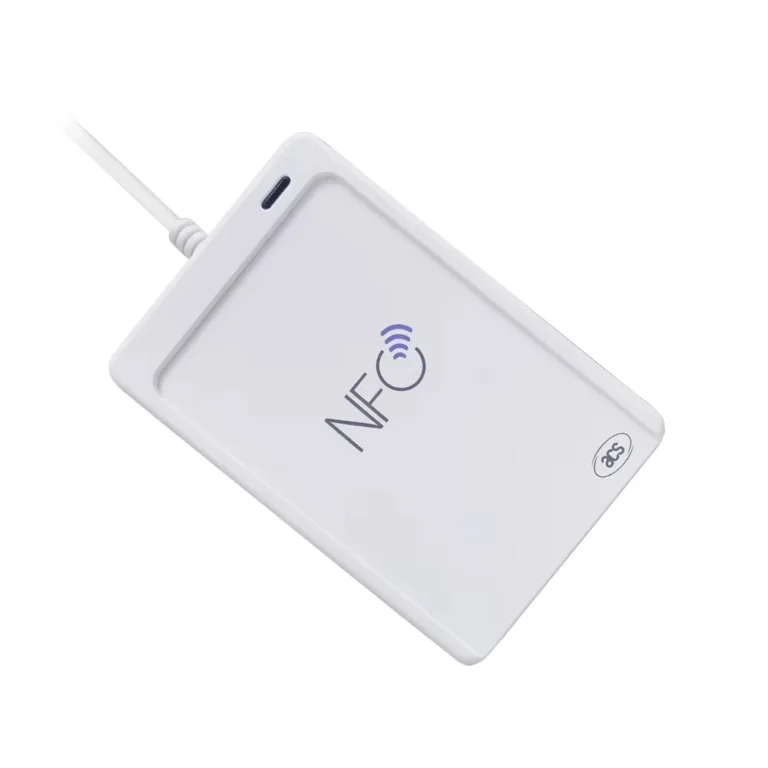
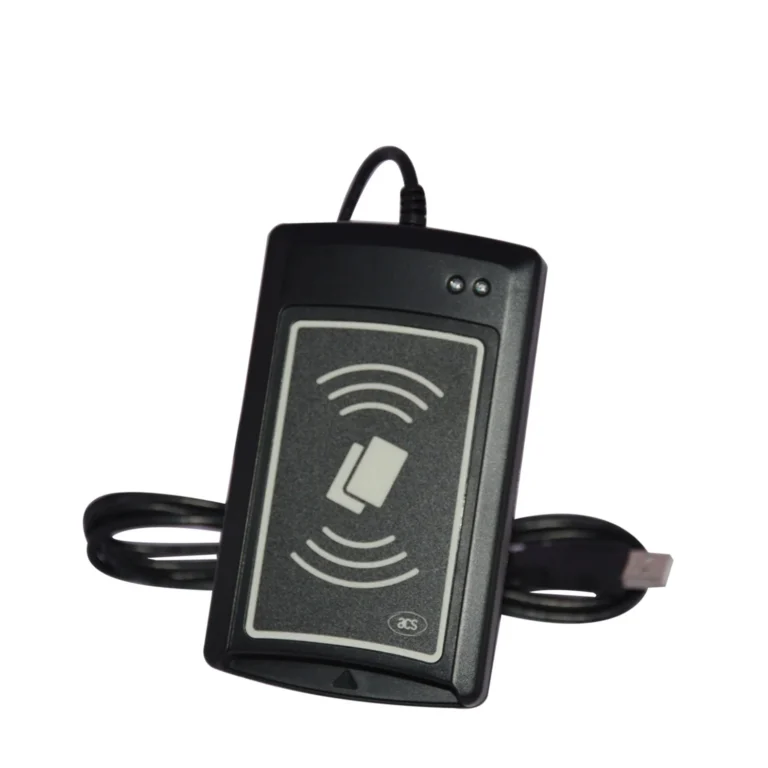
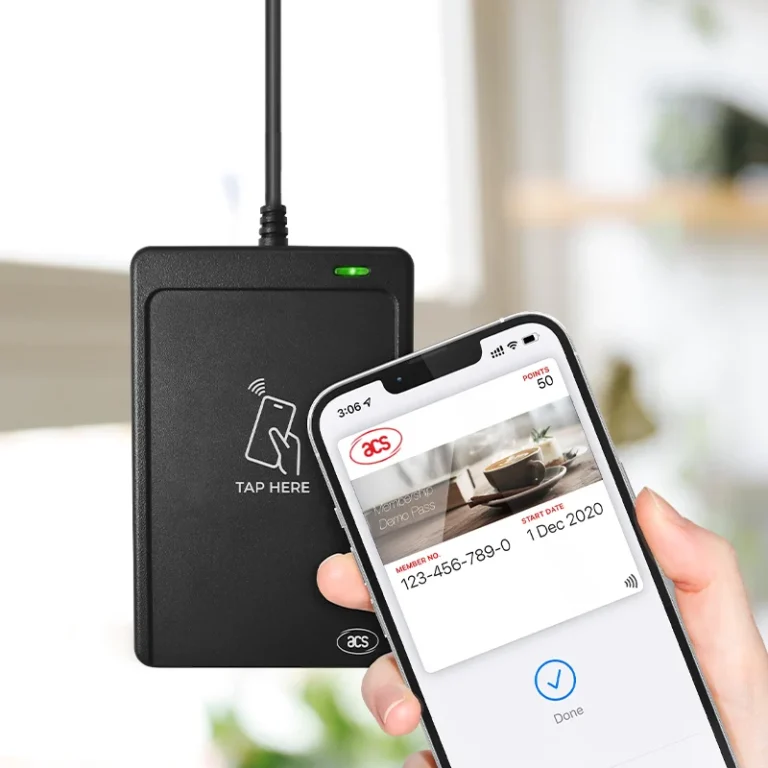
An RFID reader is actually a machine that can “read tags” and “write tags”.
It can wirelessly read the information from the RFID tag attached to an object, or write new information into it. Just like the subway card swipe machine we usually use, as long as the card is close, the machine will know who you are and whether you have a balance.

How does it work?
The reader does not see with the eyes, but relies on “radio waves” for sensing. The working process is as follows:
The reader sends out electromagnetic signals to form an “invisible circle”;
Once the tag enters this circle, it will be activated and start “talking”;
The tag transmits its “ID card information” back;
After receiving this information, the reader decodes it and sends the result to the computer.
Some more advanced readers can also write information back to the tag, just like “taking notes” on the tag.
What are its technical standards?
Although the principle of RFID sounds simple, it actually has many standards to ensure that different devices can communicate with each other. The most commonly used standard is called EPC (Electronic Product Code). This standard divides the RFID system into four layers:
Physical layer: hardware such as tags, antennas, and readers;
Middleware layer: used to filter and process raw data;
Network layer: send data between different systems;
Application layer: allow the management system in the enterprise to use this data, such as inventory systems, logistics systems, etc.
Simple understanding: just like eating, the physical layer is the “mouth”, the middleware is the “chewing”, the network layer is the “swallowing”, and the application layer is the “transformation into nutrition”.
What can RFID readers do?
RFRFID readers are very versatile and can be used in almost any occasion:
Access control systems: swiping cards in offices, subways, and parking lots;
Stores and warehouses: helping to check goods and count inventory;
Hospitals: used to identify patients and manage medical equipment;
Libraries: fully automatic book borrowing and returning, no need to queue;
Express and logistics: tracking goods and knowing where the package is;
Factory production lines: automatically identifying materials and improving efficiency.
What can it do? Overview of functions
Read data: read information on the tag (such as product number, time, etc.);
Write data: write information into the tag when needed;
Identify multiple tags at the same time: like Superman, recognize a group of tags at once;
Track location: the system will know immediately if the item moves;
Automatic alarm: can remind staff when an error occurs;
Power supply function: some tags are out of power, and the reader can provide energy to make it “wake up”;
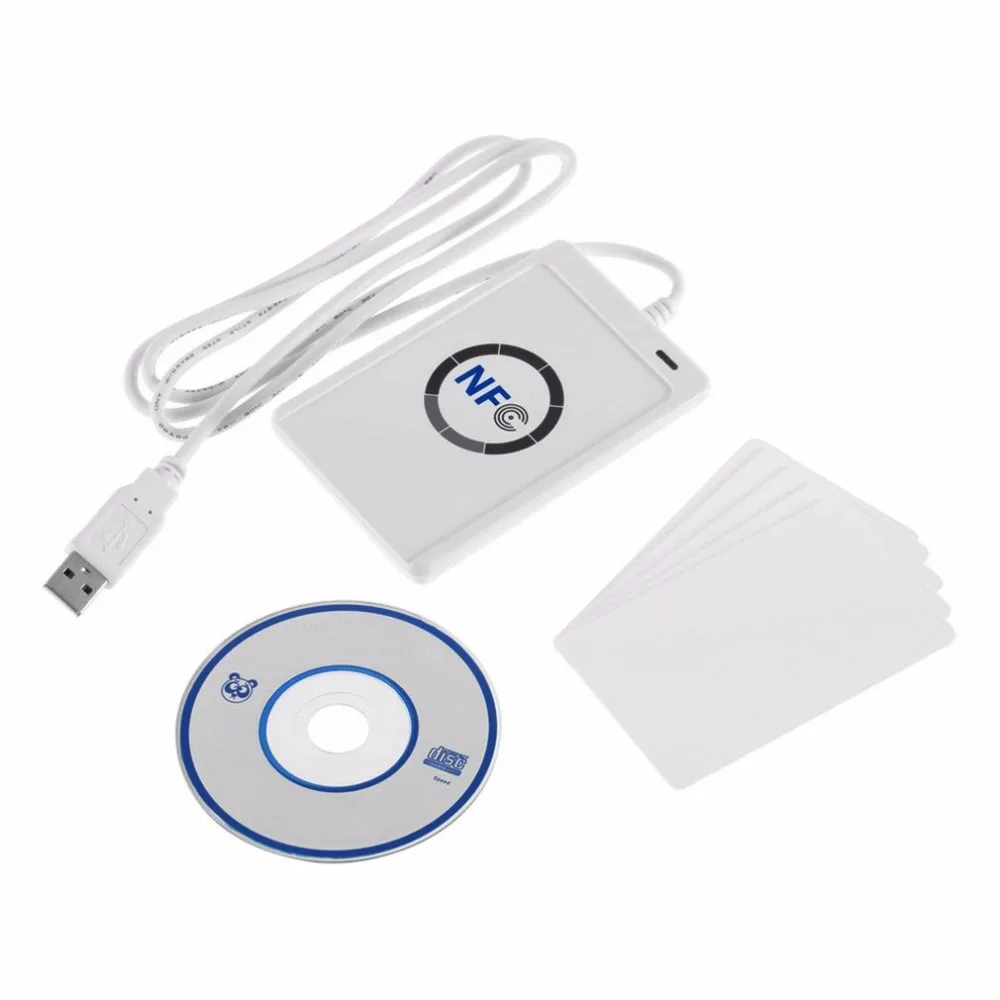
Connect to a computer: transmit data to the background system through a serial port, USB or network port.